
 Message Us
PLEXR® Plus for Ocular Surface Conditions

Get in Touch
PLEXR® Plus for Ocular Surface
& Dry Eye Conditions
Content on this page has been medically reviewed by Consultant Ophthalmic Surgeon Samer Hamada (MD, MSc, Do(hons), FRCSEd, FRCOphth)
A new era for selected ocular-surface treatments
Some ocular-surface conditions that have traditionally required surgical excision, cautery, sutures, tissue glue or a procedure in theatre may now have another treatment option.
For some patients, the problem may be something small but persistently troublesome — a conjunctival cyst, concretion, pinguecula or other benign growth that rubs, irritates or simply becomes uncomfortable. Many people live with these problems because they assume treatment will mean a blade, stitches or a hospital procedure.
For others, the problem is persistent dry-eye symptoms that have not improved as expected despite treatment. In some of these patients, the underlying cause is not only tear-film instability or meibomian gland dysfunction. Structural changes — such as loose or redundant conjunctival tissue or abnormal tear drainage — may continue to disturb the ocular surface and contribute to ongoing grittiness, irritation or watering.
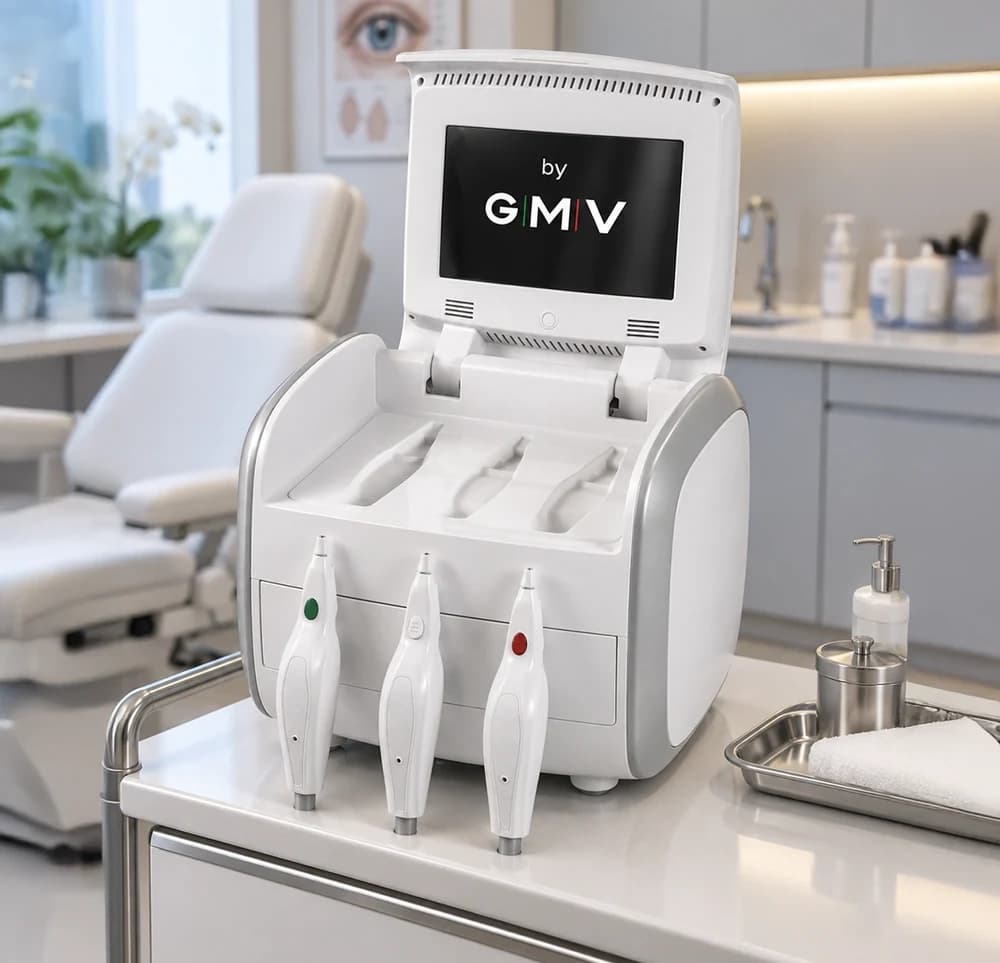
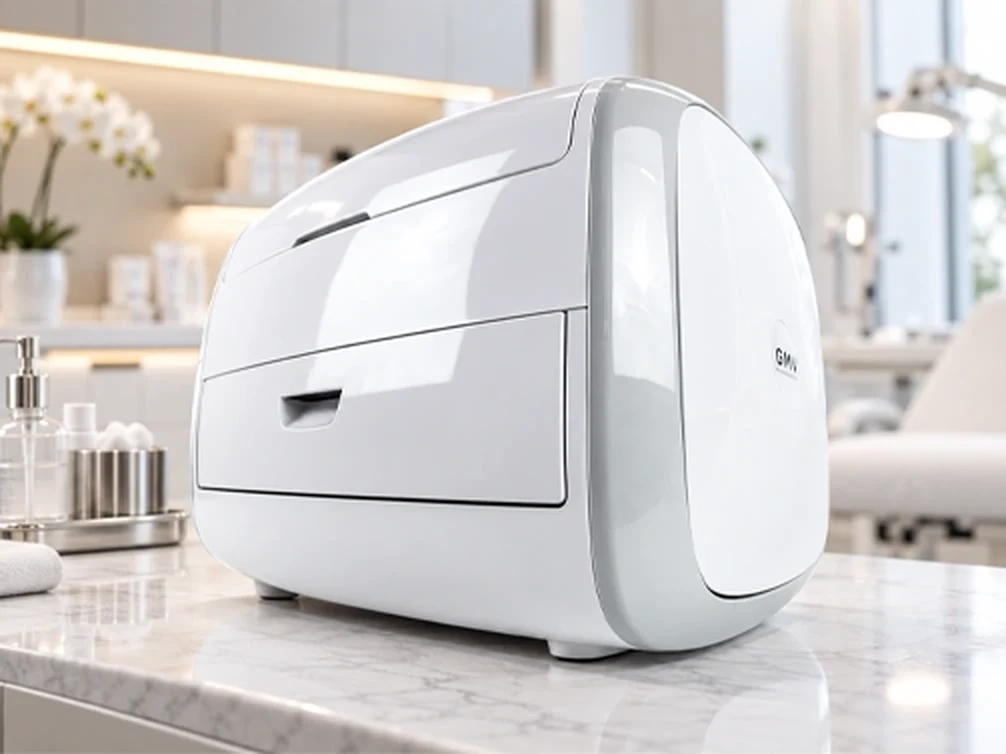
PLEXR® Plus provides another way of treating selected problems like these. In ophthalmology, this relatively new specialist application is known as PANIS — Plasma-Assisted Non-Invasive Surgery.
PANIS uses the highly controlled plasma energy generated by PLEXR® Plus to treat very small areas of superficial ocular and periocular tissue with exceptional precision. The device creates a tiny plasma discharge between the tip of the handpiece and the treatment area. This produces a very localised tissue effect, allowing selected tissue to be contracted, reduced, remodelled or sublimated, often without making a conventional surgical incision.
Today, plasma-assisted techniques have been studied for conditions including conjunctivochalasis, pinguecula, selected pterygium procedures, punctal occlusion for dry eye, filamentary keratitis associated with severe tear deficiency, conjunctival cysts, conjunctival concretions and selected benign conjunctival lesions. Clinical publications on ocular-surface PLEXR®/PANIS applications began appearing around 2020–2021, so this remains a comparatively new area of ophthalmic treatment and research.
What ocular surface conditions can PLEXR Plus actually treat?
The role of plasma is different for each condition. In some cases it is used to contract or reduce abnormal superficial tissue. In others it may be used to reduce tear drainage or as part of a procedure designed to avoid conventional sutures or tissue glue.
The diagnosis always comes first. Not every ocular-surface abnormality requires treatment, and not every patient will be suitable for PLEXR Plus.
Can PLEXR® Plus treat conjunctivochalasis?
Yes. Conjunctivochalasis is one of the best-studied ocular-surface applications of plasma treatment.
Conjunctivochalasis occurs when the conjunctiva becomes loose and redundant, creating folds of tissue most commonly along the lower part of the eye.
These folds can interfere with the normal tear meniscus and tear distribution, as well as creating mechanical friction during blinking. Patients may experience persistent grittiness, burning, watering, fluctuating vision or the feeling that something is constantly rubbing against the eye.
With plasma-based conjunctivoplasty, precisely placed plasma applications create controlled contraction of the redundant conjunctival tissue without conventional conjunctival excision and suturing.
What does the research show?
A prospective study involving 42 eyes in 33 patients reported significant improvement following plasma-based conjunctivoplasty. Mean OSDI dry-eye symptom scores improved from 34.7 to 5.0, while mean tear break-up time increased from 5.1 seconds to 10.0 seconds at three months.
42 eyes | OSDI 34.7 → 5.0 | TBUT 5.1 sec → 10 sec
Can PLEXR® Plus treat a pinguecula?
Yes. Selected symptomatic pingueculae can be treated using plasma-assisted techniques.
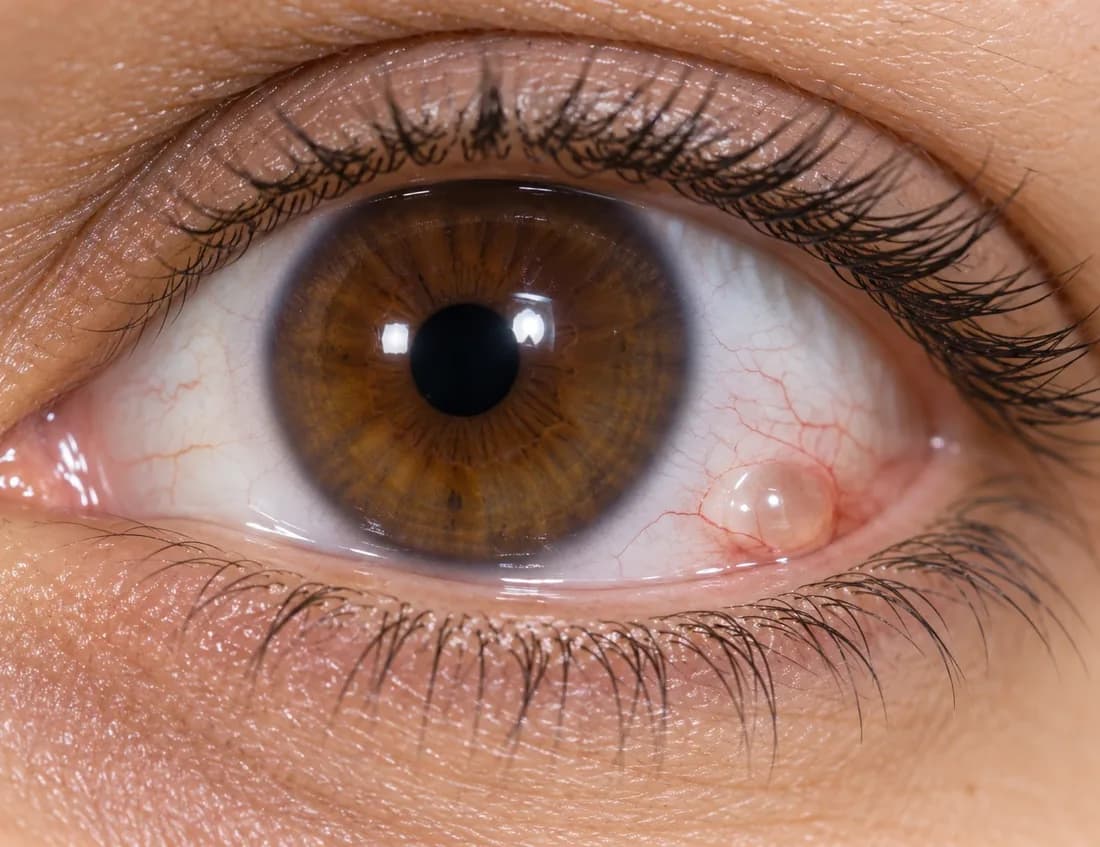
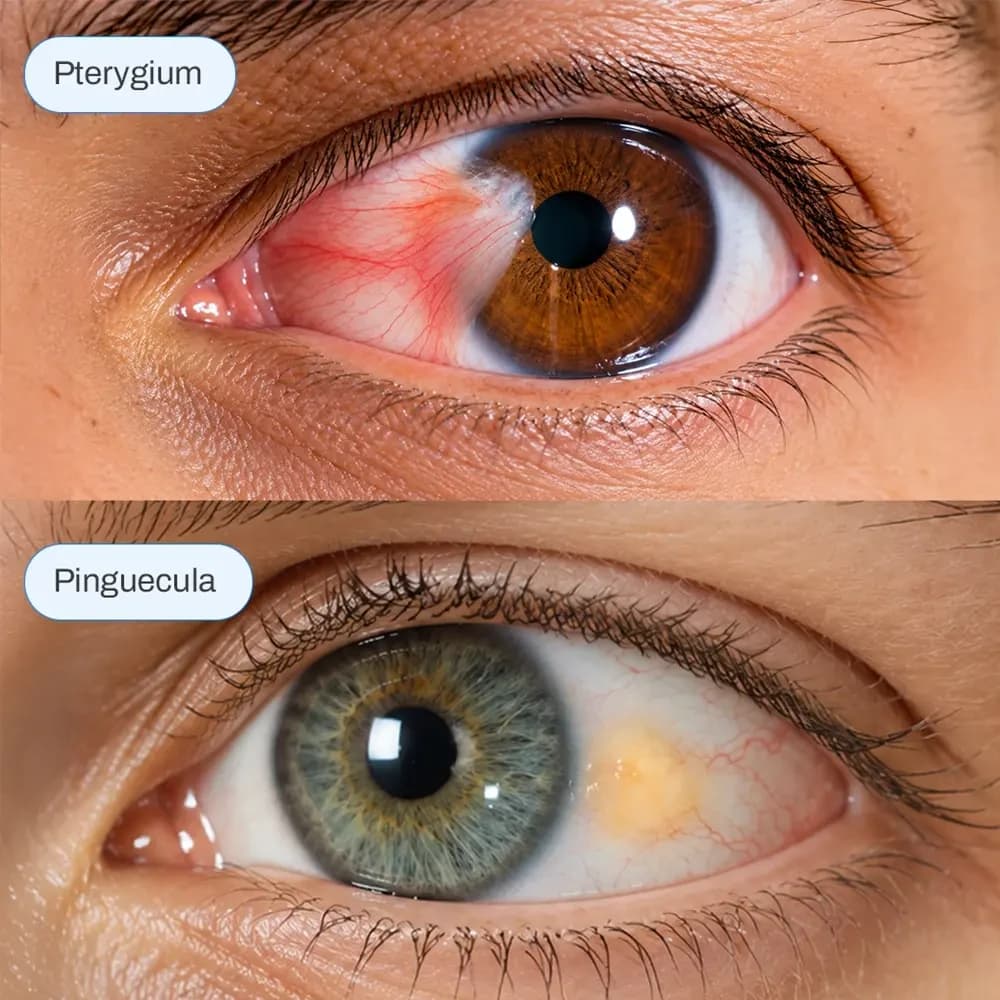
A pinguecula is a raised yellow-white area that develops on the conjunctiva, usually close to the cornea.
Many pingueculae cause no problem and do not need treatment. Others may become repeatedly inflamed — known as pingueculitis — or cause irritation, redness, foreign-body sensation or cosmetic concern.
Using PLEXR® Plus, the raised tissue can be progressively sublimated using very small applications of plasma energy.
A published five-eye clinical series reported complete sublimation of the pingueculae, with no recurrence or significant complications reported during six months of follow-up. The authors emphasised that larger studies are required.
Is a pinguecula the same as a pterygium?
No. They can look similar, but they are different conditions.
A pinguecula remains on the conjunctiva.
A pterygium is a fibrovascular growth that extends from the conjunctiva onto the cornea.
As a pterygium progresses, it can cause persistent redness and irritation and may eventually alter the shape of the cornea, induce astigmatism or interfere with vision.
That difference also means that the way PLEXR® Plus is used is different.
Can PLEXR® Plus be used in pterygium surgery?
Yes — although PLEXR® Plus is generally used as part of the procedure rather than simply replacing every stage of pterygium surgery.
The pterygium still needs to be carefully separated and removed from the corneal surface.
The interesting application of plasma comes during reconstruction. Published PANIS techniques have used plasma to secure amniotic membrane or join conjunctival tissue without conventional sutures or fibrin glue.
A four-patient case series investigated pterygium removal followed by amniotic membrane transplantation using plasma fixation. No recurrence was reported during the six-month follow-up in this small series.
View the PANIS pterygium and amniotic membrane study
This remains an evolving application, and the most appropriate technique depends on the size, position and characteristics of the individual pterygium.
Can PLEXR® Plus be used for punctal occlusion in dry eye?
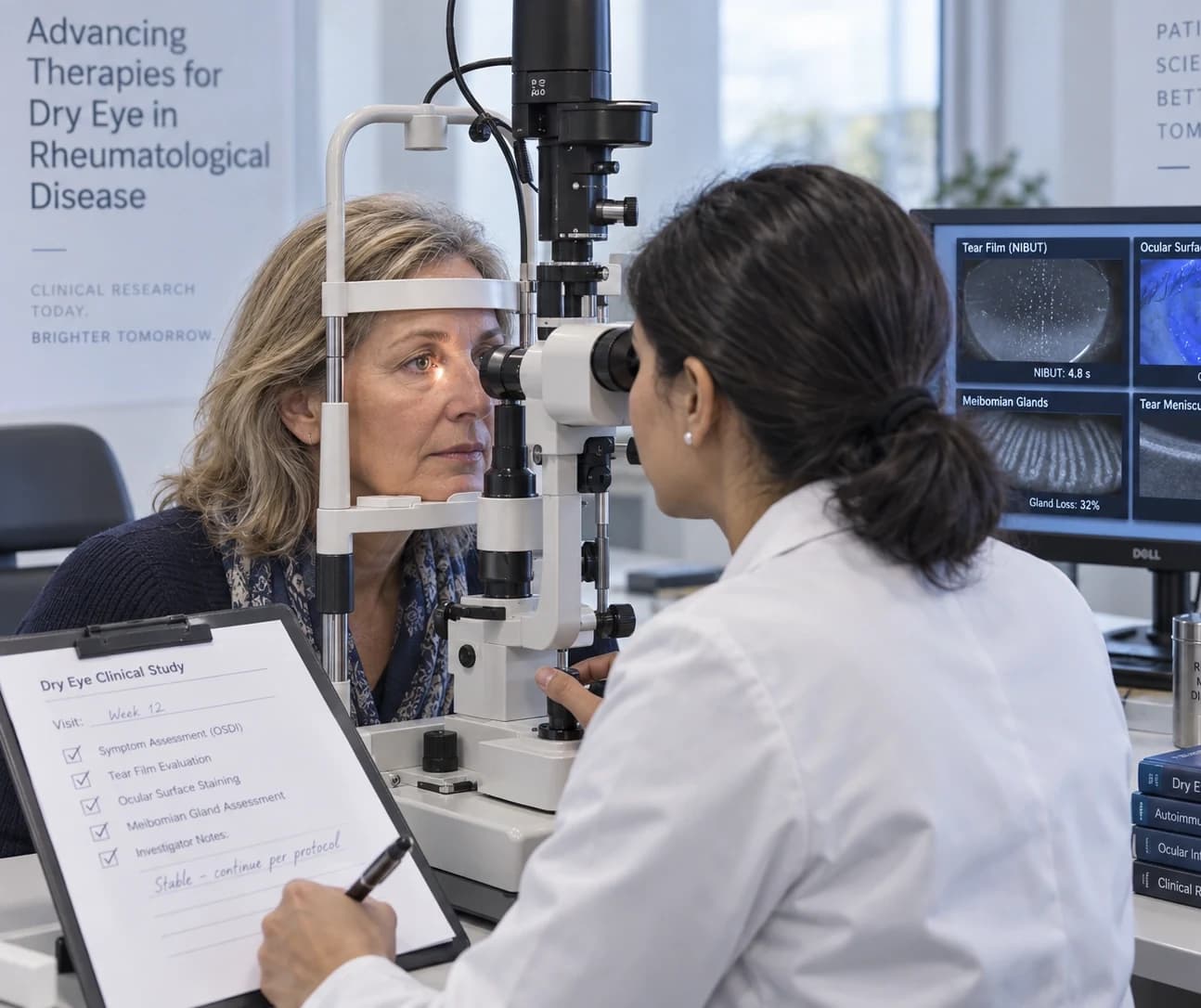
Yes. Plasma-assisted punctal occlusion has been studied as a way of reducing tear drainage in selected patients with aqueous-deficient dry eye.
Your tears normally drain through tiny openings in the eyelids called the puncta.
If you do not produce enough tears, reducing this drainage can help your natural tears remain on the surface of the eye for longer.
Traditionally, this may be achieved using punctal plugs or more permanent methods of punctal closure.

With PLEXR® Plus, small plasma applications can create controlled narrowing of the punctum.
An early clinical study involving six patients investigated temporary plasma punctal occlusion. The puncta remained closed for approximately two to five days, allowing clinicians to assess how the ocular surface responded when more tears were retained.
View the temporary plasma punctal occlusion study
More recently, a 60-patient randomized clinical study compared ongoing dry-eye treatment alone with the same treatment plus three sessions of plasma punctal occlusion in patients with moderate-to-severe dry eye associated with rheumatological disease. Significant improvements were reported in tear meniscus height, tear break-up time and Schirmer measurements in the plasma-treatment group over six months.
View the plasma punctal occlusion clinical trial
Punctal occlusion is not appropriate for every type of dry eye. Tear production, tear quality and the degree of ocular-surface inflammation all need to be considered first.

Can PLEXR® Plus help with filamentary keratitis?
Potentially — particularly where filamentary keratitis is associated with severe aqueous-deficient dry eye.
Filamentary keratitis is a painful ocular-surface condition in which strands containing mucus and damaged epithelial material adhere to the corneal surface. It can cause severe foreign-body sensation, pain, light sensitivity, watering and considerable discomfort.
Importantly, PLEXR® Plus is not used to burn or directly treat the corneal filaments themselves.
The published PANIS approach uses plasma to narrow the puncta, helping natural tears remain on the ocular surface for longer and addressing the severe tear deficiency contributing to filament formation.
A 2024 case series involving five patients with filamentary keratitis secondary to severe dry-eye disease reported improvement in all patients. Four achieved complete filament healing after the first plasma punctal-occlusion session and one after the second.
This is encouraging early evidence, but it remains a small clinical series.
Can PLEXR® Plus treat a conjunctival cyst?
Yes. Selected benign conjunctival cysts are one of the earlier published ocular-surface applications of PLEXR® plasma treatment.
A conjunctival cyst is a fluid-filled lesion within the conjunctiva. Some cause no symptoms, while others may produce irritation, recurrent inflammation or the persistent sensation that something is rubbing against the eye.
In the published PANIS technique, plasma is used to open and drain the cyst and then treat the cyst wall and surrounding tissue.
A clinical series involving five eyes reported complete healing with no recurrence or intra-operative or postoperative complications during six months of follow-up.
Clinical evidence
Can PLEXR® Plus treat conjunctival concretions?
Yes. Selected symptomatic conjunctival concretions may also be treated using plasma.
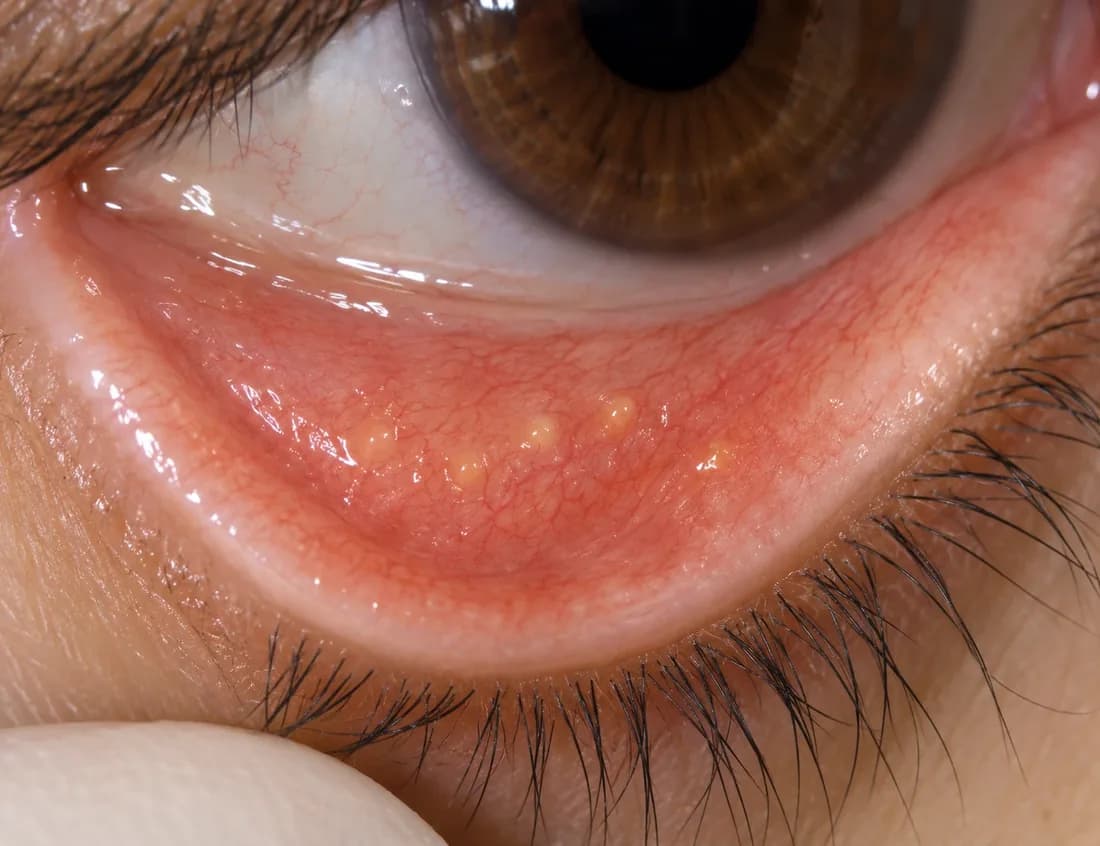
Conjunctival concretions are very small yellow-white deposits that form underneath the eyelid.
Many cause no symptoms. But when a concretion becomes exposed, it can repeatedly rub against the ocular surface during blinking and cause grittiness, scratching and persistent foreign-body sensation.
A six-eye PANIS case series treated symptomatic concretions using the low-output PLEXR® Plus handpiece. The authors reported successful treatment with no recurrence or complications during six months of follow-up.

Clinical evidence
Can PLEXR® Plus treat a conjunctival naevus or another benign lesion?
Certain benign conjunctival lesions may be suitable for plasma treatment — but they must first be properly diagnosed.
A conjunctival naevus is usually a benign pigmented lesion on the surface of the eye.
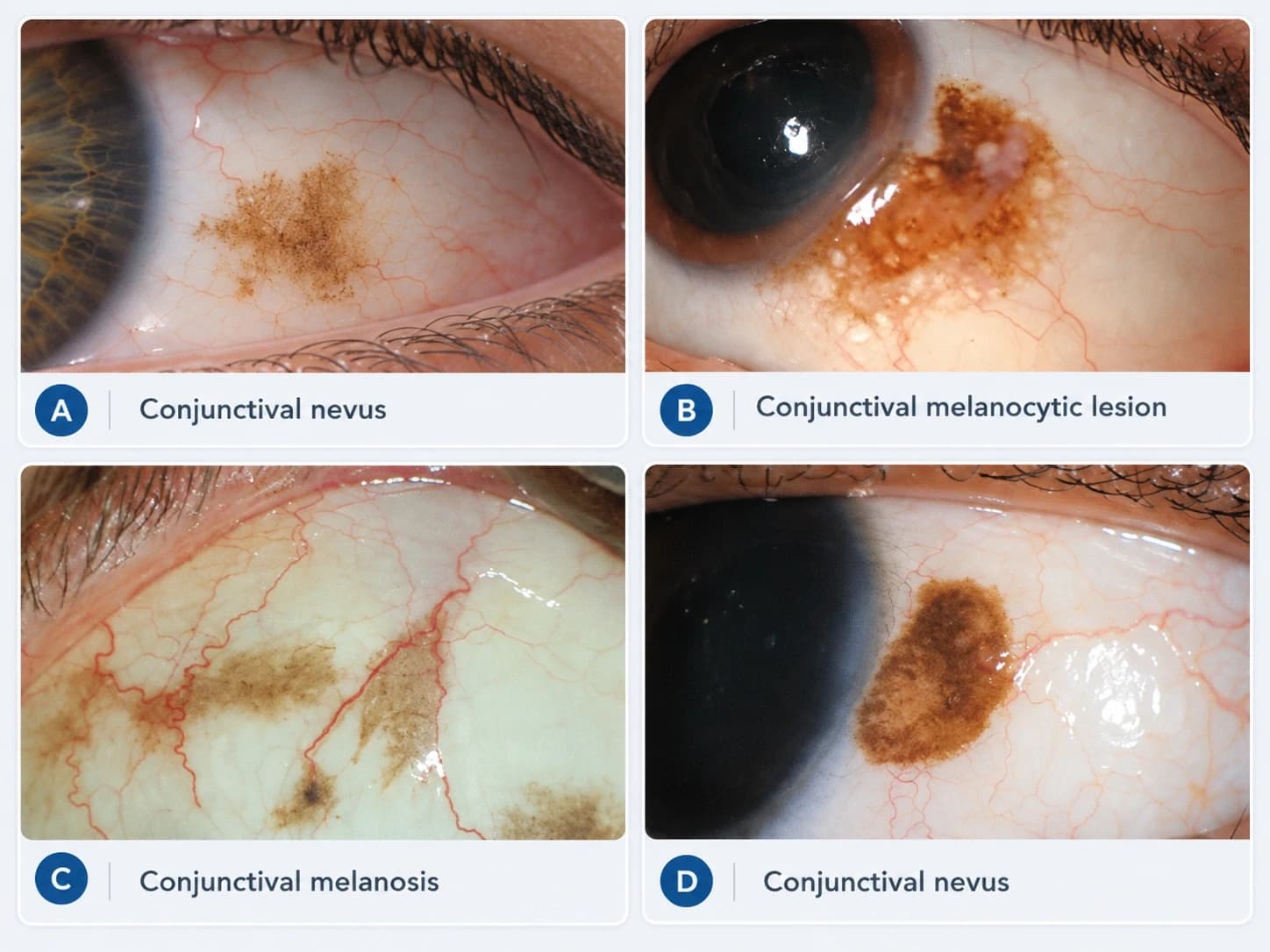
A published seven-patient clinical series evaluated PLEXR® Plus treatment of benign conjunctival naevi. Importantly, the lesions were first assessed as benign before plasma treatment was undertaken.
Not every lump, growth or pigmented lesion on the eye should be treated with plasma.
If a lesion is changing, appears suspicious or needs to be sent for histological examination, conventional excision may be the safer and more appropriate treatment.
Are there other specialist
ocular-surface applications?
Yes. Plasma-assisted techniques continue to be explored for other, more specialised ocular-surface indications.
These applications are not necessarily appropriate simply because a patient has a particular diagnosis, and the evidence is not equally developed for every condition.
For that reason, we prefer to assess the individual problem rather than provide an ever-expanding list of conditions that “can” be treated.
If you have a small growth, lesion or persistent abnormality on the surface of the eye that is not listed here, you are welcome to contact the clinic and ask whether PLEXR® Plus could be relevant.
Why does the diagnosis matter?
Many ocular-surface problems produce remarkably similar symptoms.
A patient describing grittiness, burning, watering or the sensation that something is in the eye may have conventional dry-eye disease, conjunctivochalasis, an exposed concretion, a conjunctival cyst or another structural abnormality.
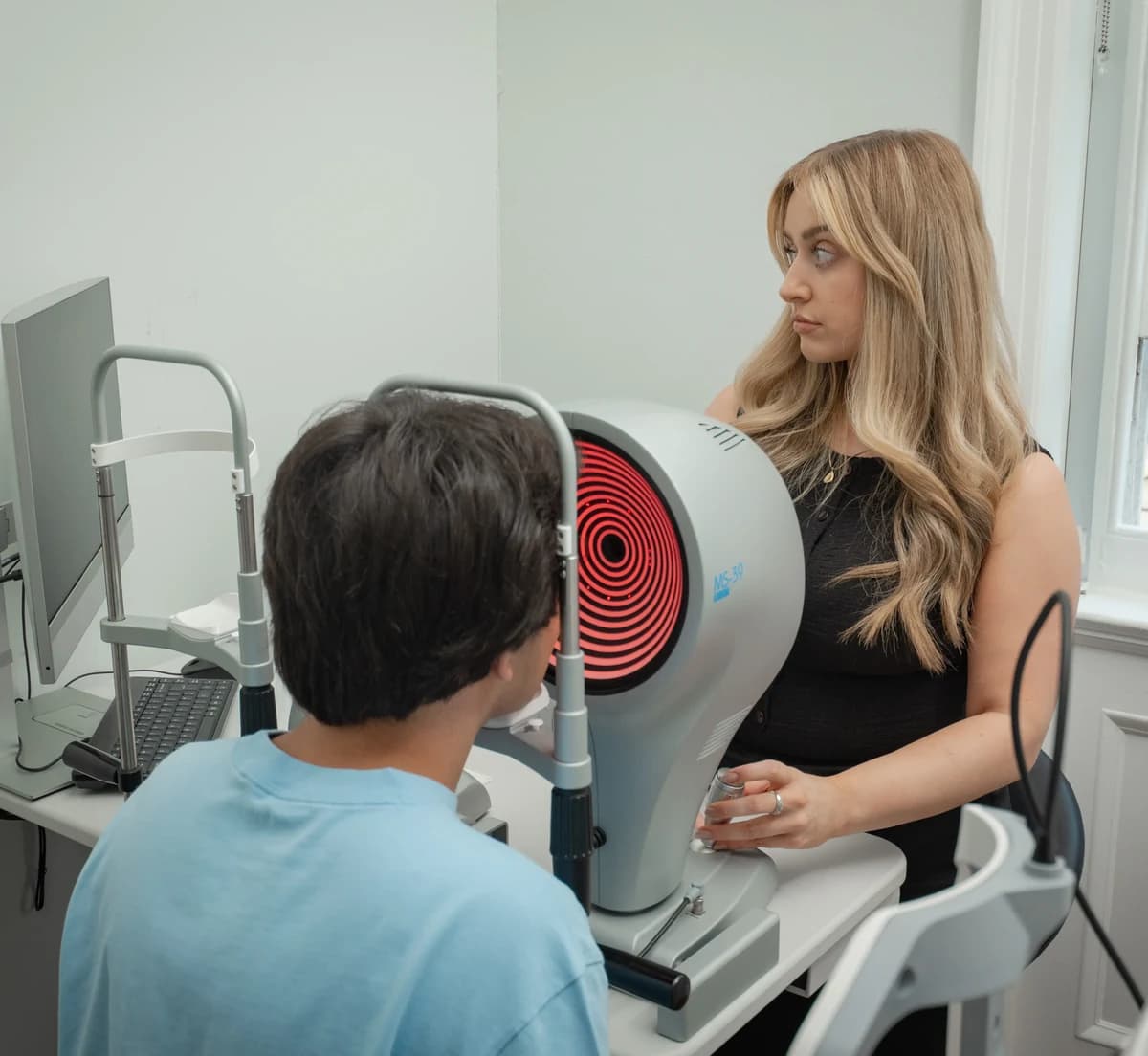
This is why Mr Samer Hamada’s approach to ocular-surface disease starts with identifying the mechanism responsible for the symptoms, rather than simply choosing a treatment.
PLEXR® Plus becomes useful when examination identifies a specific structural
problem that can appropriately be treated with plasma.
For patients with persistent dry-eye symptoms, this may form part of a wider assessment of the tear film, meibomian glands, inflammation, conjunctiva, eyelids, blinking and tear drainage.

Could PLEXR® Plus be appropriate for my condition?
If you have already been diagnosed with conjunctivochalasis, pinguecula, pterygium, a conjunctival cyst, conjunctival concretions or another ocular-surface condition, we can assess whether PLEXR® Plus offers an appropriate treatment option.
You may also simply have persistent grittiness, irritation, watering or foreign-body sensation and not yet know what is causing it.
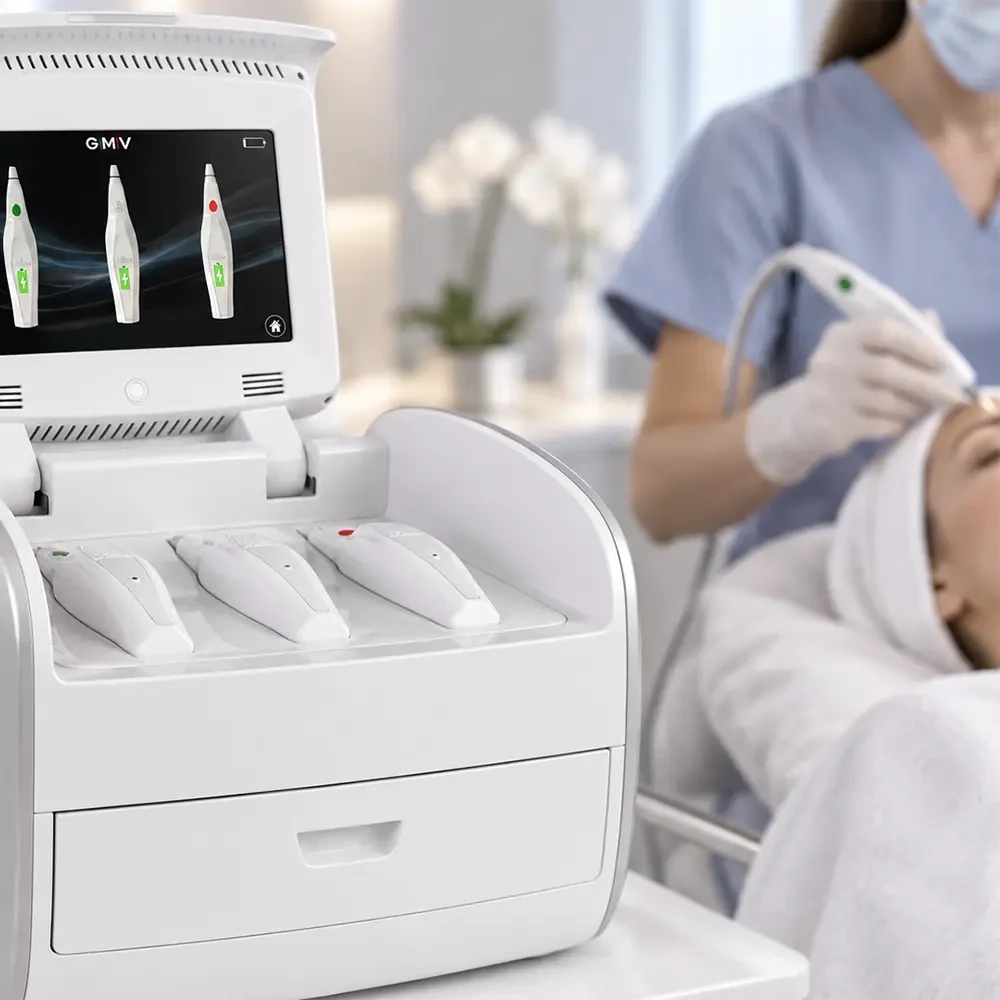
And if the abnormality troubling you is not specifically mentioned on this page, please ask us. There are a growing number of specialist ophthalmic applications for plasma technology, but the suitability of treatment depends on the exact diagnosis.
The question is not simply “Can PLEXR® treat it?” — but “Is PLEXR® the right way to treat it?”
PLEXR® Plus treatment fees
PLEXR® Plus treatment starts from £995.
Price confirmed following consultation
The final cost depends on the condition being treated and the treatment required. Your ophthalmologist will confirm this following assessment.
Finance & Insurance
Eye Clinic London ensures exceptional eye care for all with flexible finance and insurance plans. Our team assists with finances, so you can focus on vision and well-being. Connect with us to learn more.






Our Location
Strategically located in Devonshire Street, Harley Medical District, Marylebone, in the heart of London, our clinic is easily accessible, ensuring that your journey to exceptional eye care is as convenient as possible. Our central position ensures that you can easily reach us from various parts of the city.
Devonshire street in Marylebone is not just an address; it’s a hub of convenience and accessibility. With excellent transport links and a wealth of amenities nearby, your visit to Eye Clinic London will be convenient and hassle-free experience.
Whether you are a local resident or visiting from other parts of the UK or abroad, our location will provide you with seamless connection to the private eye doctor in London.
When choosing to travel by public transport please alight at Bond Street Station and walk for 7 mins, alternatively exit at Oxford Circus station or Baker Street Station and walk for 10 mins.
Street parking is available.
Eye Clinic London7 Devonshire StreetLondon, W1W 5DY
The McIndoe CentreHoltye Road EastGrinstead RH19 3EB