
 Message Us
Neuropathic Eye Pain

Get in Touch
Neuropathic Eye Pain Treatment in London
Many people who have been diagnosed with dry eye continue to experience fluctuating discomfort, burning, light sensitivity, or persistent pain despite ongoing treatment. Symptoms may temporarily improve and then return, often without a clear explanation.
In some cases, the underlying issue is not simply tear film instability or inflammation, but neuropathic eye pain, where the corneal nerves become sensitised or dysfunctional. When this distinction is not identified, treatment can feel inconsistent because it is targeting surface dryness rather than nerve-related pain.
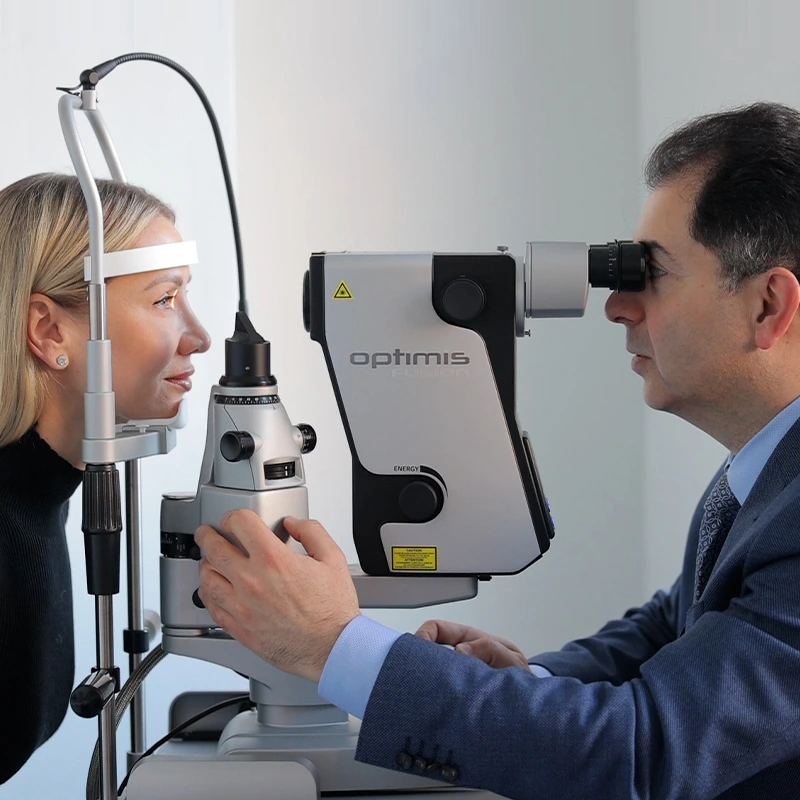
At Eye Clinic London, neuropathic eye pain treatment in London begins with advanced diagnostic assessment, including BRILL®, which helps us differentiate between true dry eye disease and corneal neuropathic pain. This allows for a more precise, individualised management plan focused on addressing the root cause of symptoms rather than simply masking them.
Featured in







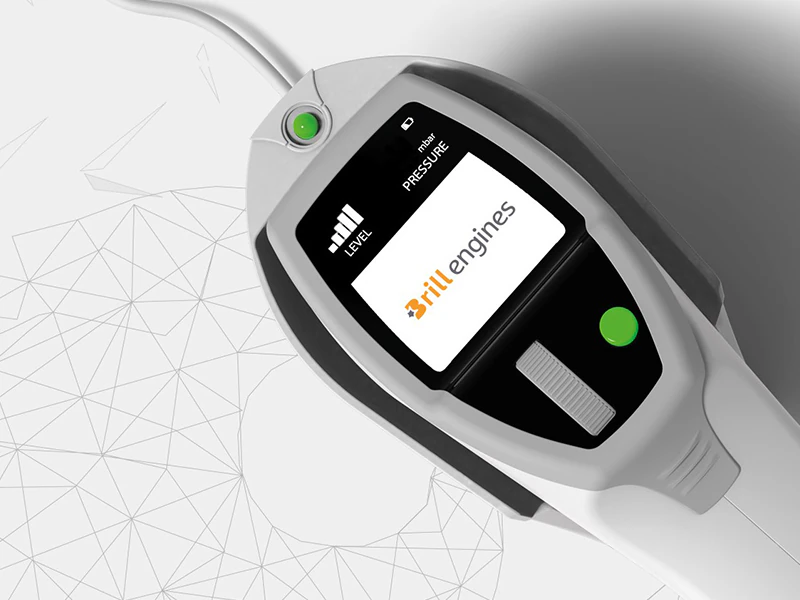
What is BRILL® — and why is it different?
BRILL® is a groundbreaking diagnostic tool designed specifically to assess corneal neuropathic pain — a condition that is still under-recognised and frequently mistaken for dry eye disease.
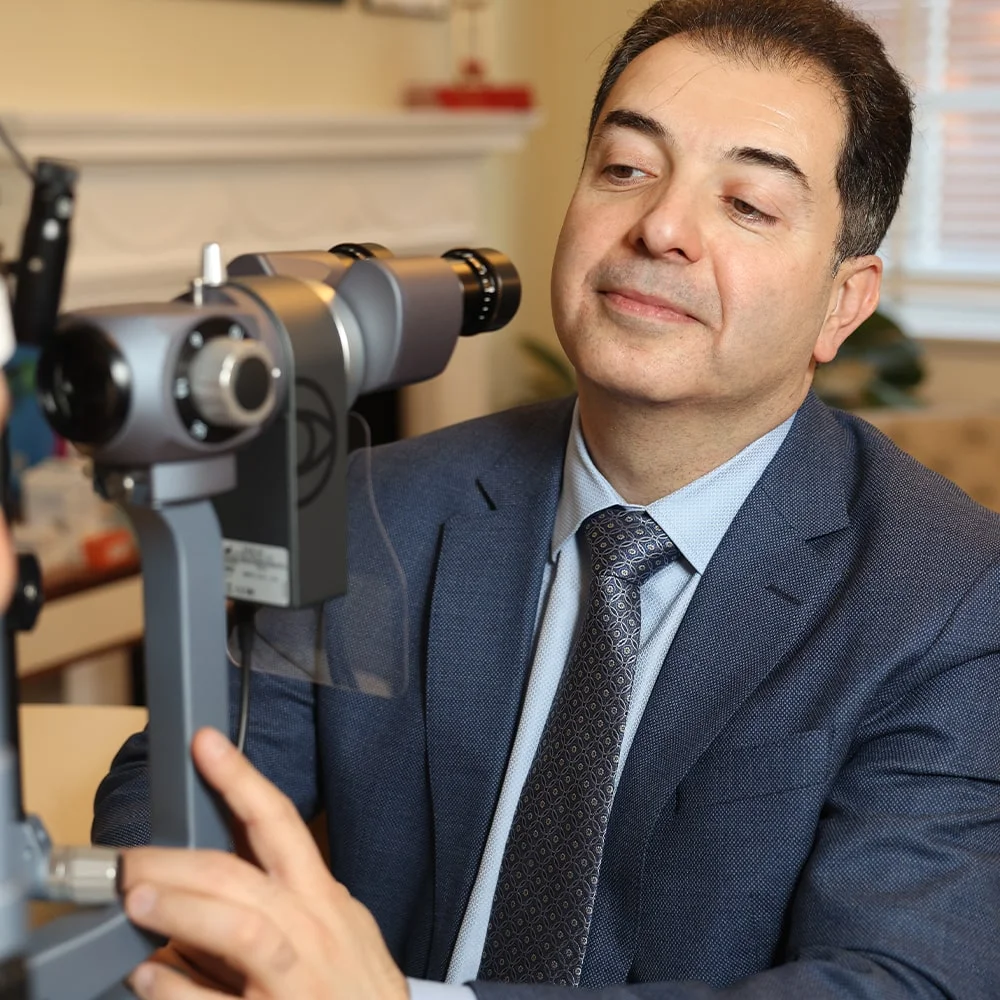
It allows us to evaluate how the corneal nerves respond to sensation, helping us understand whether symptoms are being driven by:
- surface dryness and inflammation
- nerve hypersensitivity
- or a combination of both
At present, Eye Clinic London is the only clinic in the UK offering BRILL® as part of a specialist ocular surface and pain assessment, making it a truly unique diagnostic option for patients who feel stuck without answers.
Recognised Excellence & Patient Trust



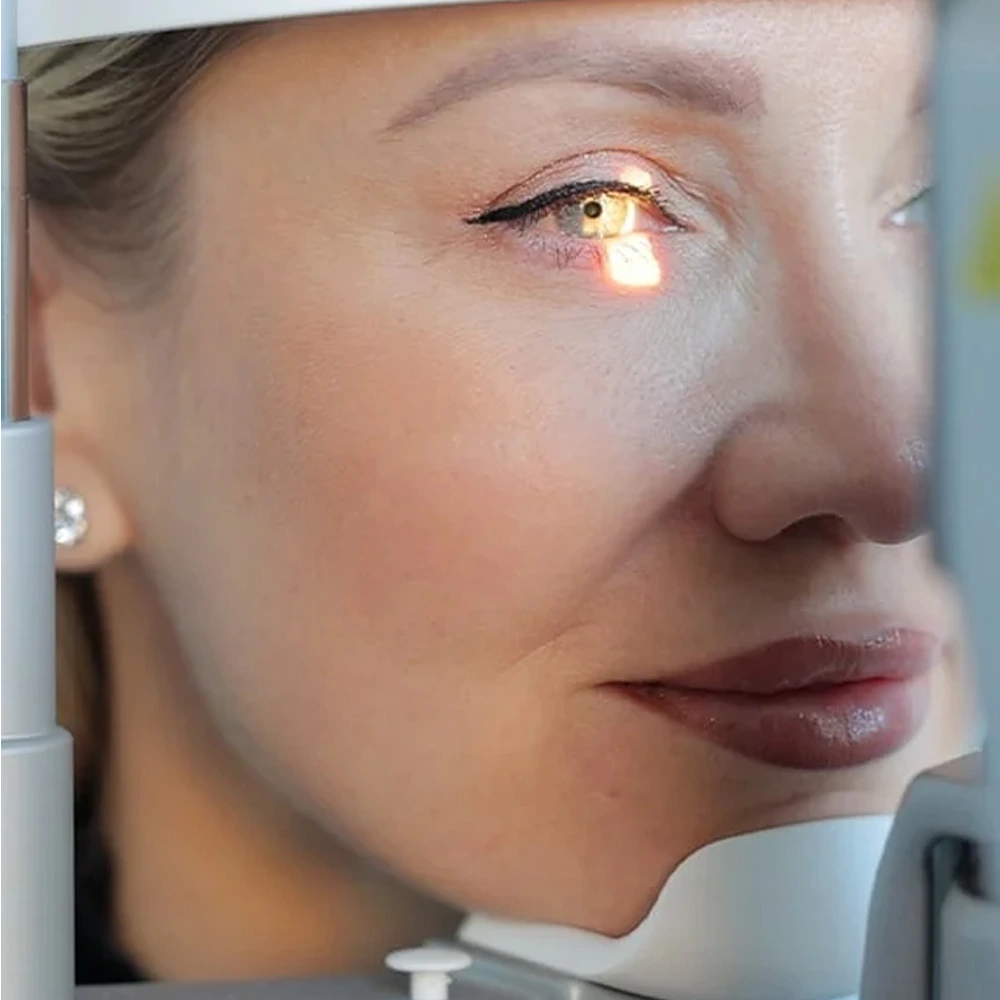
What is corneal neuropathic pain?
Corneal neuropathic pain is a condition where the nerves on the surface of the eye become overly sensitive or start sending pain signals inappropriately.
In simple terms, the eye can feel painful, burning or irritated even when the surface looks relatively normal.
This is why many patients are told:
- “Your eyes look fine”
- “The tests are normal”
- “It’s just dry eye”
…yet the symptoms remain very real.
Corneal neuropathic pain is increasingly recognised worldwide, but it is still not routinely assessed in standard eye exams.
Affiliations and Memberships
We are proud to be associated with the following organisations








How is it different from dry eye disease?
Dry eye disease is primarily a tear-film and surface problem. Neuropathic pain is primarily a nerve problem.
The two can feel very similar — and they often overlap — but there are important differences:
- Dry eye symptoms often improve with lubrication or surface treatment
- Neuropathic pain may persist despite doing everything “right”
- Symptoms may feel out of proportion to what can be seen on examination
- Pain can be triggered by wind, light, screens, or even blinking
This overlap is exactly why neuropathic pain is so often misdiagnosed as dry eye alone.
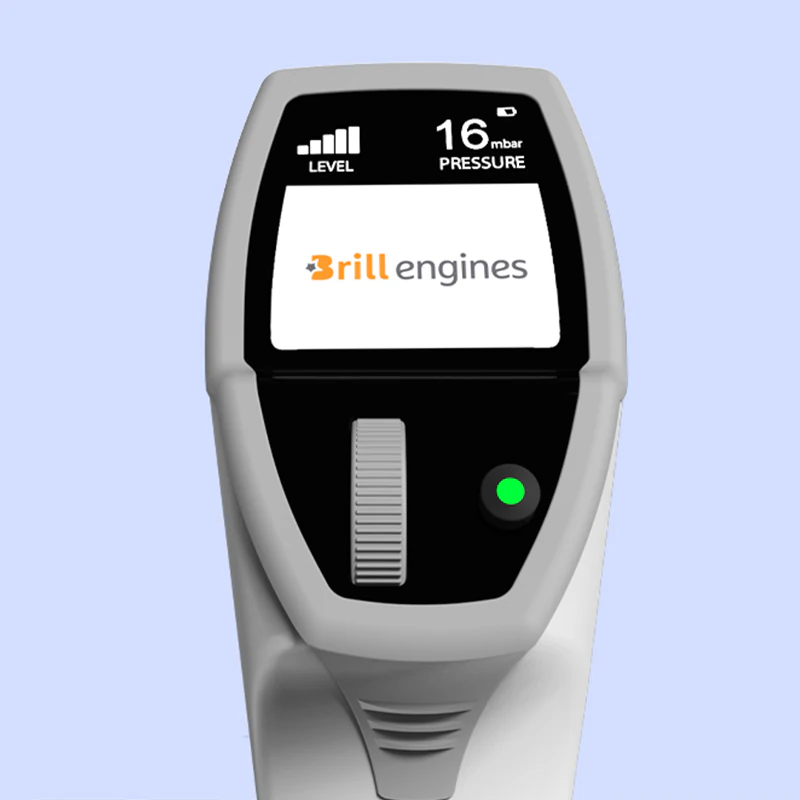
Common symptoms of corneal neuropathic pain
Patients may experience:
- Burning, stinging or aching eyes
- Persistent discomfort or pain
- Light sensitivity
- Wind or air-conditioning sensitivity
- Difficulty with screens
- Symptoms that fluctuate unpredictably
- Poor or inconsistent response to standard dry eye treatments
Not everyone has all symptoms — and many patients have a mixed picture of dry eye and nerve-related pain.
What causes corneal neuropathic pain?
There is no single cause. In many cases, it develops after the corneal nerves have been irritated, inflamed or injured. Possible triggers include:
Long-standing or severe dry eye disease
Previous eye surgery (including laser vision correction or cataract surgery)
Eye infections or inflammation
Trauma or chemical exposure
Long-term contact lens intolerance
Certain systemic conditions that affect nerve sensitivity
There is no single cause. In many cases, it develops after the corneal nerves have been irritated, inflamed or injured. Possible triggers include:
Why BRILL is used in our clinic
Understanding complex eye pain requires both specialist expertise and the right diagnostic tools.
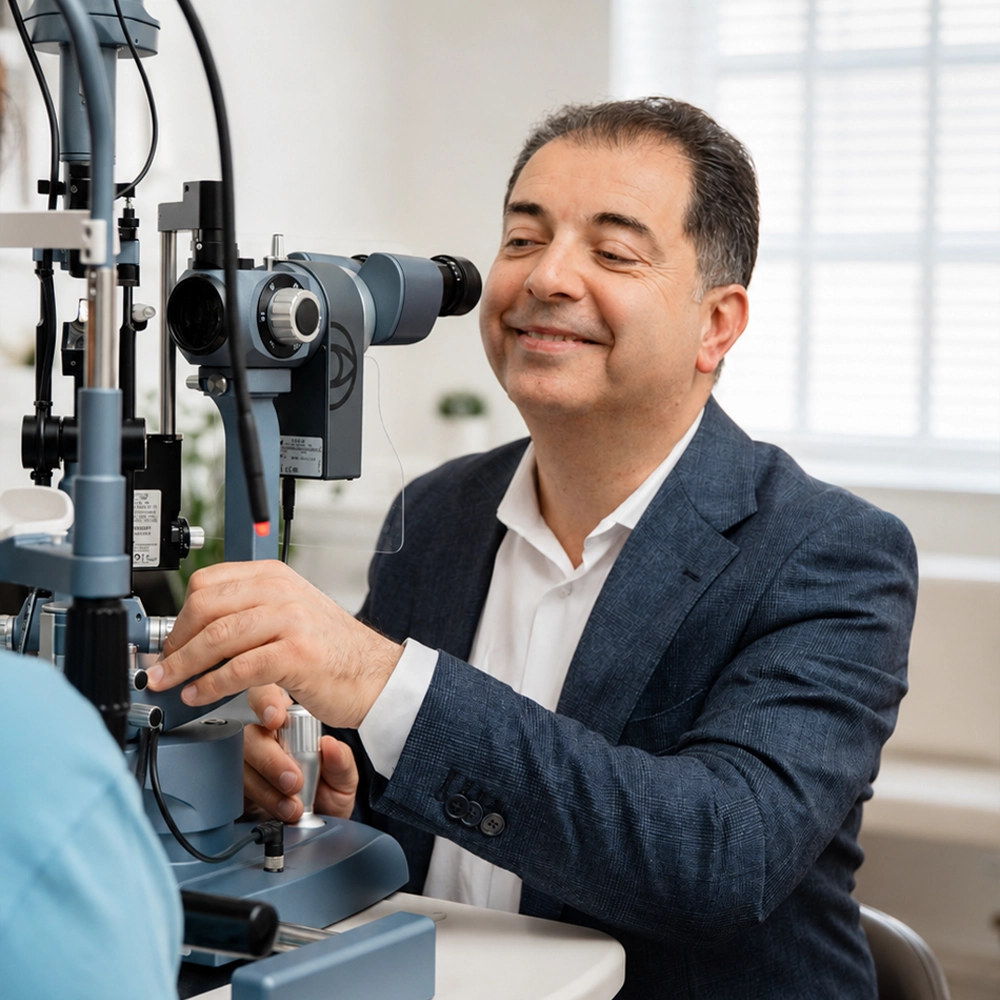
The clinic is led by Mr Samer Hamada, a leading corneal and refractive surgeon with extensive experience in ocular surface disease, dry eye, and meibomian gland dysfunction. Working closely with the cornea in both medical and surgical settings has highlighted that not all persistent eye discomfort behaves like typical dry eye disease.
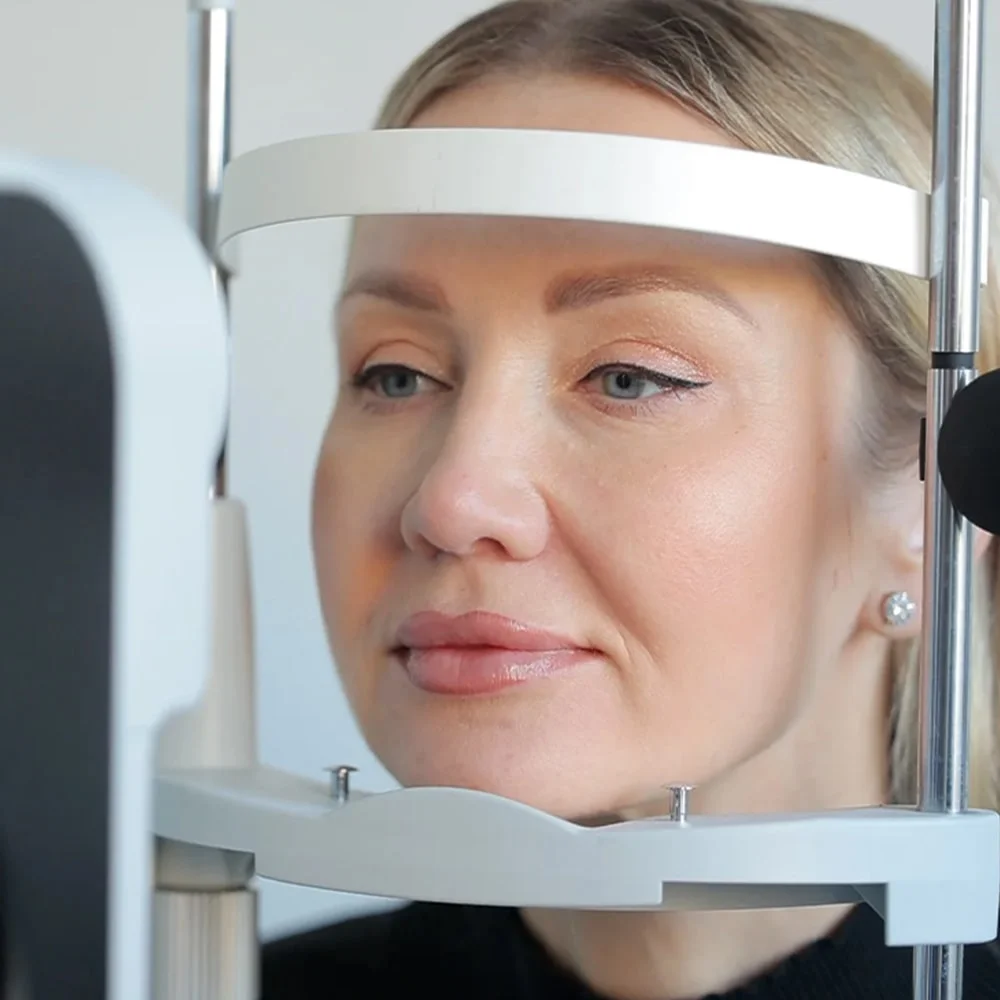
As understanding of corneal neuropathic pain has developed, it became clear that conventional assessments alone do not always provide sufficient answers for patients with ongoing, unexplained symptoms.
For this reason, Eye Clinic London is currently the only clinic in the UK offering BRILL® corneal sensitivity assessment as part of a specialist evaluation for complex eye pain. BRILL® was introduced to support the assessment, diagnosis, and management of conditions where corneal nerve sensitivity may be contributing to symptoms.
Used alongside a full clinical examination, BRILL® helps provide greater clarity in cases that are difficult to explain or manage, supporting more informed and appropriate next steps for each patient.
How do we assess this at Eye Clinic London?
Assessment always starts with a consultation, not a machine.
BRILL® is used as a supporting diagnostic tool, alongside:
- A detailed symptom history
- Full ocular surface examination
- Dry eye assessment where appropriate
- Clinical judgement and pattern recognition
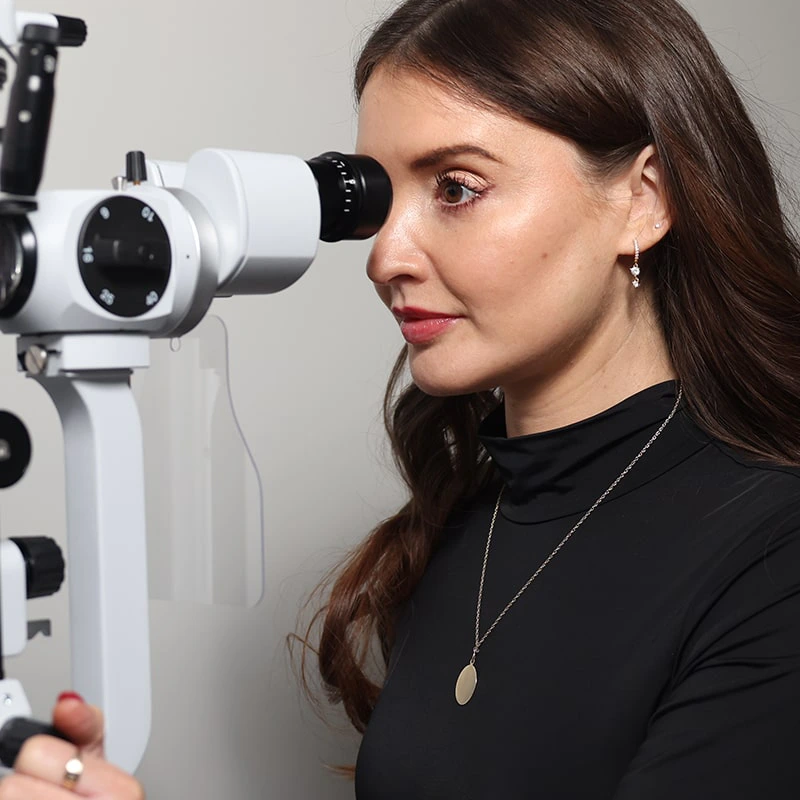
BRILL helps us add objective information about corneal nerve sensitivity, which can be invaluable when symptoms don’t match traditional dry eye findings.
Your assessment and interpretation are led by Mr Samer Hamada, an internationally recognised specialist in ocular surface disease and complex dry eye, supported by a dedicated specialist team.
What happens next if neuropathic pain is suspected?
There is no “one-size-fits-all” approach.
If neuropathic corneal pain is identified or suspected, the next steps may include:
- addressing any co-existing dry eye or surface inflammation
- avoiding unnecessary repetition of ineffective treatments
- building a personalised management plan based on the dominant cause of your symptoms
The aim is clarity — understanding why your eyes feel the way they do, and what can realistically help.
Book a consultation
If you’ve reached the point where you’re asking, “Is this really dry eye — or something else?”, this assessment is designed for you.
You can book a consultation for BRILL® assessment either:
- as part of a comprehensive dry eye evaluation, or
- as a focused consultation to explore persistent, unexplained symptoms

Book your consultation at Eye Clinic London
Because living with eye pain without answers is not something you should have to accept.
Finance & Insurance
Discover affordable eye care through our flexible finance and insurance offerings with expert financial guidance at Eye Clinic London. For comprehensive understanding, please contact us.






Our Location
Strategically located in Devonshire Street, Harley Medical District, Marylebone, in the heart of London, our clinic is easily accessible, ensuring that your journey to exceptional eye care is as convenient as possible. Our central position ensures that you can easily reach us from various parts of the city.
Devonshire street in Marylebone is not just an address; it’s a hub of convenience and accessibility. With excellent transport links and a wealth of amenities nearby, your visit to Eye Clinic London will be convenient and hassle-free experience.
Whether you are a local resident or visiting from other parts of the UK or abroad, our location will provide you with seamless connection to the private eye doctor in London.
When choosing to travel by public transport please alight at Bond Street Station and walk for 7 mins, alternatively exit at Oxford Circus station or Baker Street Station and walk for 10 mins.
Street parking is available.
Eye Clinic London7 Devonshire StreetLondon, W1W 5DY
The McIndoe CentreHoltye Road EastGrinstead RH19 3EB