 Message Us
PLEXR® Plus Eyelid Treatment
Get in Touch
PLEXR® Plus for Eyelid, Lid-Margin
& Periocular Conditions
Content on this page has been medically reviewed by Consultant Ophthalmic Surgeon Samer Hamada (MD, MSc, Do(hons), FRCSEd, FRCOphth)
Do I need surgery to remove a small eyelid lump, growth or area of excess skin?
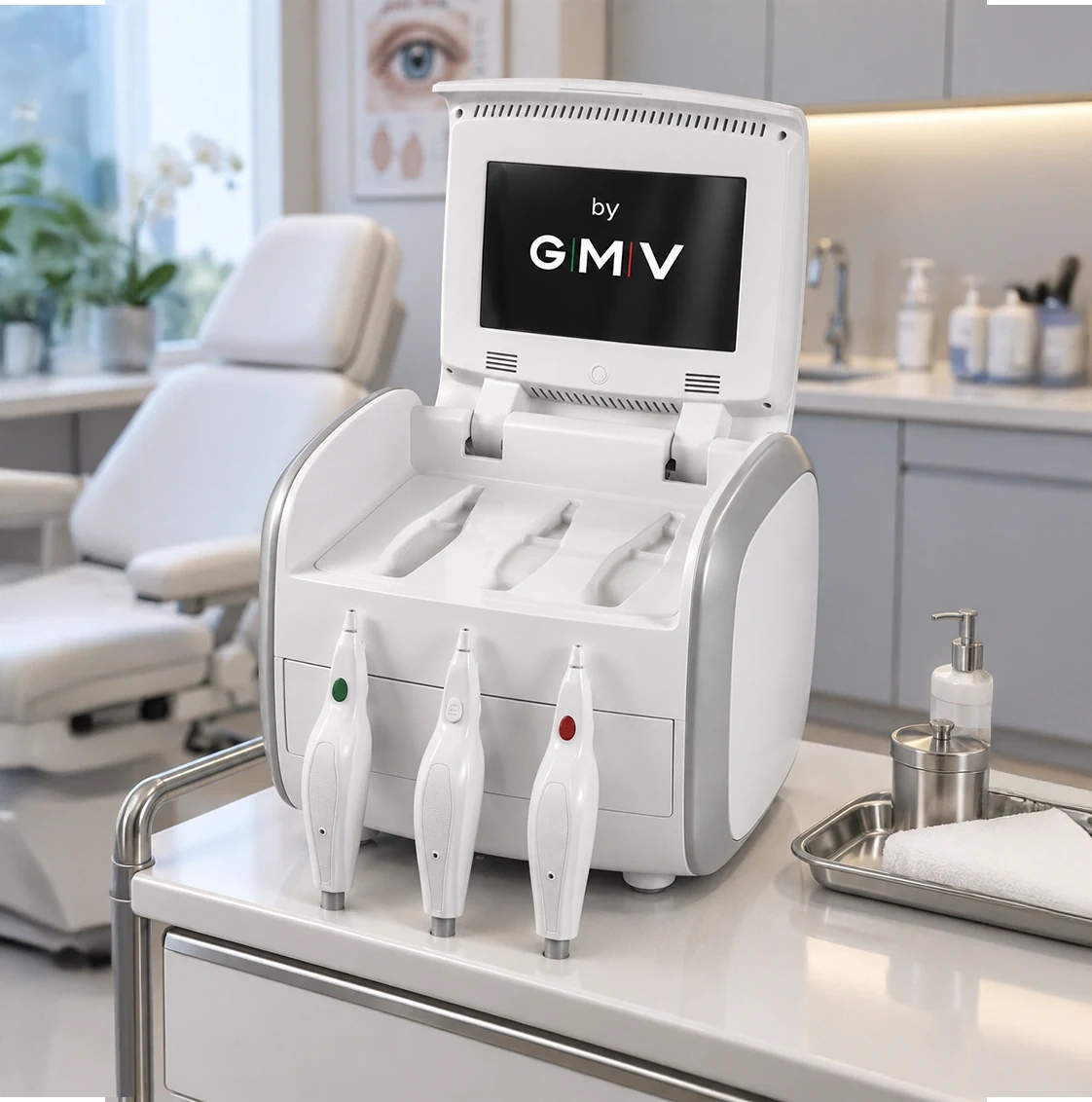
What eyelid and periocular conditions can PLEXR® Plus treat?
PLEXR® Plus is used for carefully selected benign lesions of the eyelid, lid margin and periocular skin, and for mild to moderate laxity of the upper-eyelid skin.
The sections below set out where plasma treatment has been studied, and where conventional eyelid surgery remains the more appropriate option.
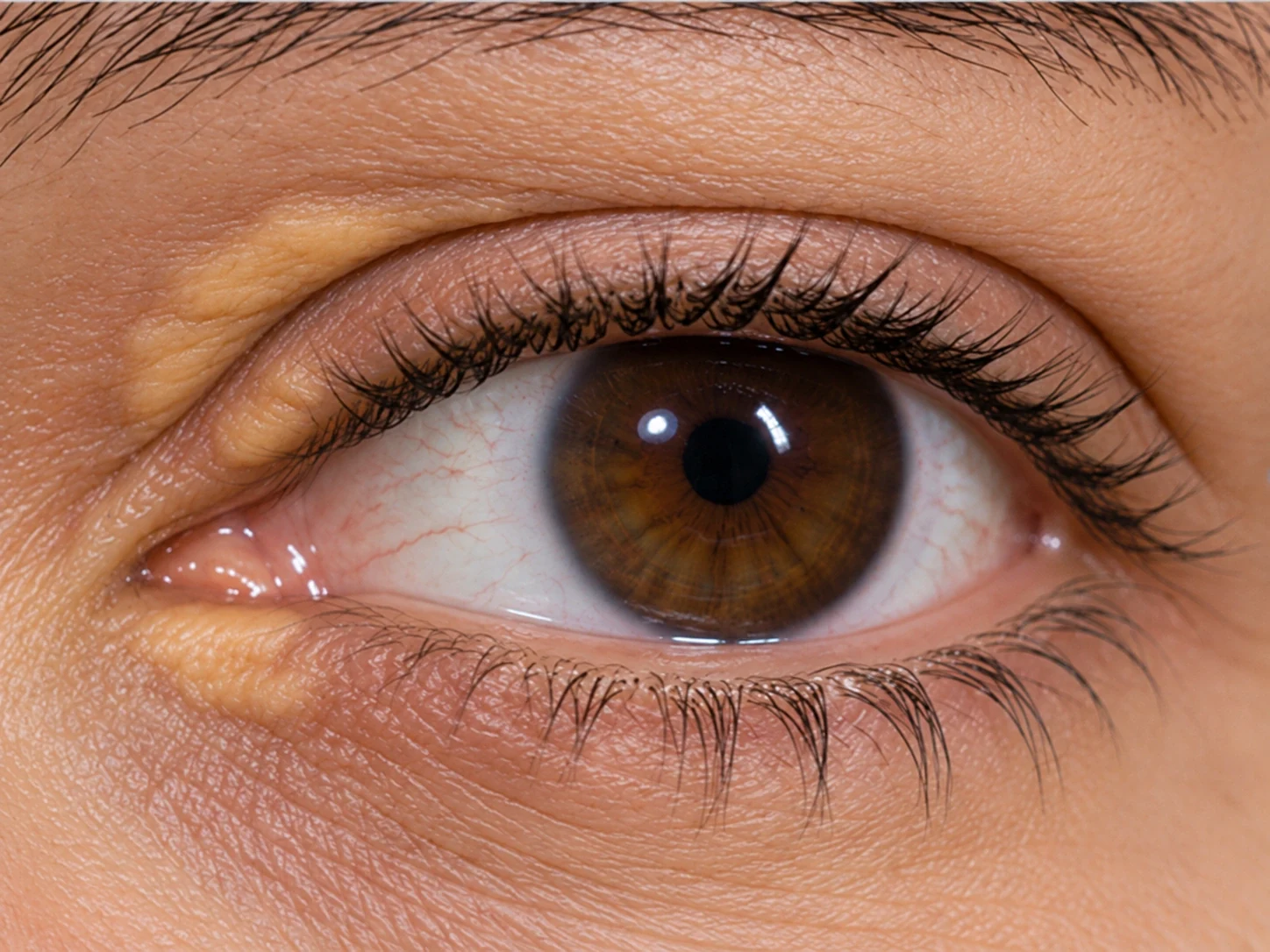
Can PLEXR® Plus treat xanthelasma?
Yes. Xanthelasma is one of the better-studied periocular uses of plasma treatment.
A study using the PLEXR® device treated 27 xanthelasma lesions in 15 patients. All lesions achieved complete clearance after one session, with no recurrence, scarring or pigmentary change reported at 12 months.
27 xanthelasma lesions
15 patients
1 sessionComplete clearance reported
12 monthsNo recurrence reported
Can PLEXR® Plus treat papillomas and skin tags?
Yes. Selected benign papillomas, acrochordons and skin tags may be suitable for plasma treatment.
These small growths may sit close to the lid margin and can rub, catch, become irritated or simply become cosmetically bothersome.
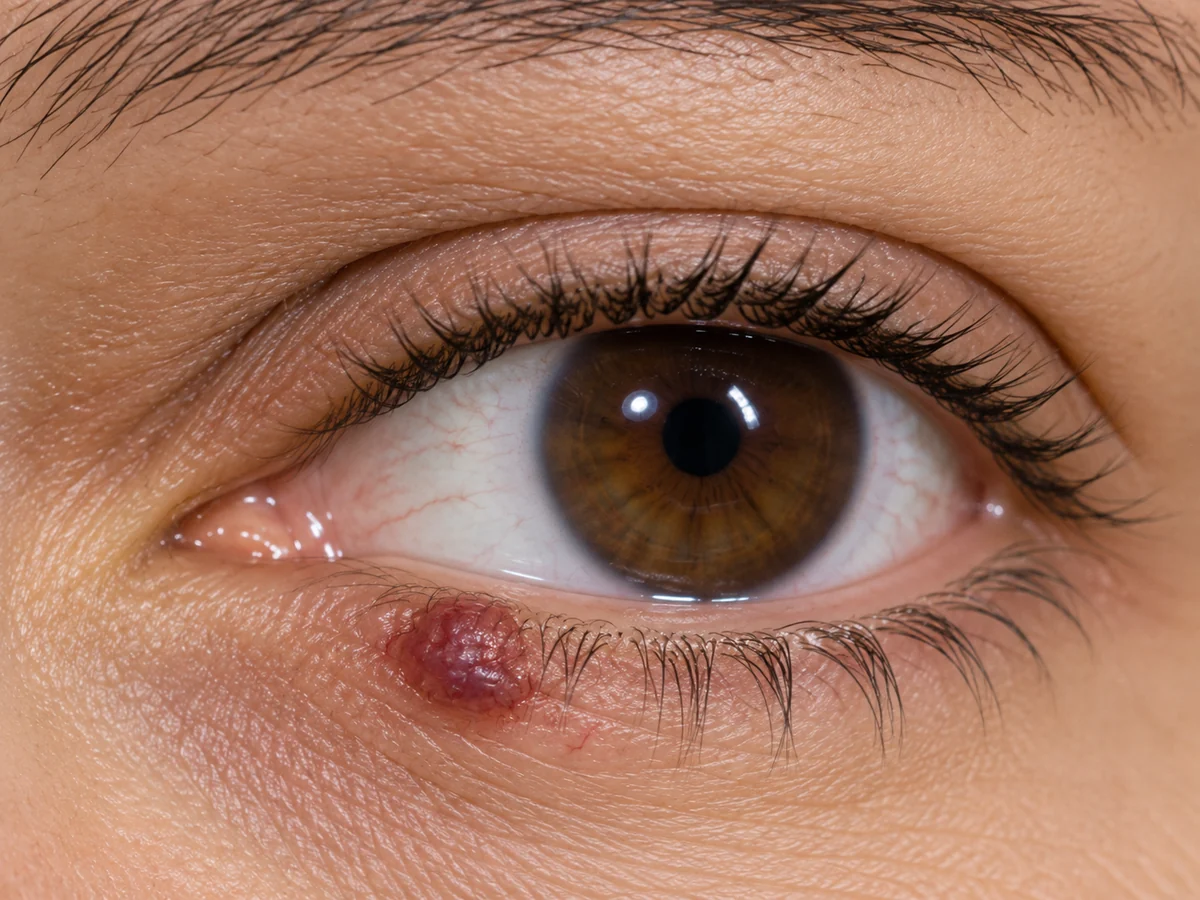
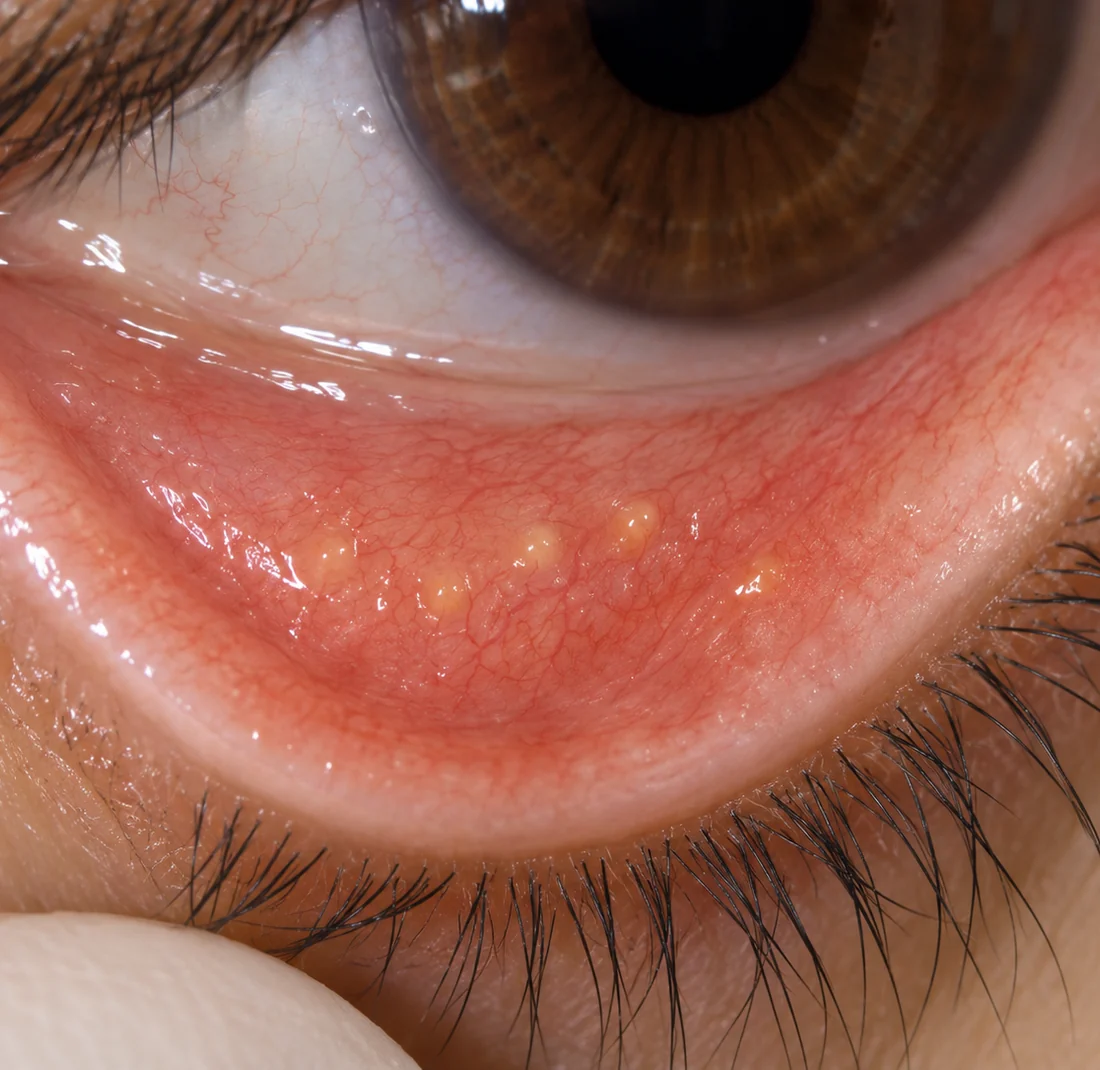
A 2024 PANIS study evaluated 59 patients with 15 different types of benign lid-margin and periocular lesions, including papillomas, skin tags, naevi, inclusion cysts, hidrocystomas, haemangiomas, xanthelasma, syringomas and seborrhoeic keratoses. Treatment was performed in an office setting using the PLEXR® Plus white handpiece.
59patients evaluated
15benign lesion types
Office-basedplasma treatment
2024 PANIS studypublished clinical series
Can PLEXR® Plus treat eyelid cysts?
Selected benign eyelid cysts may also be suitable.
This includes lesions such as:
- inclusion cysts
- milia
- eccrine hidrocystomas
- apocrine hidrocystomas
- selected sebaceous cystic lesions
In published PANIS techniques, cystic lesions may be opened with plasma, the contents released, and the base treated to reduce the likelihood of recurrence.
A streamlined
approach to treatment
Assessment and treatment can be carried out during the same visit
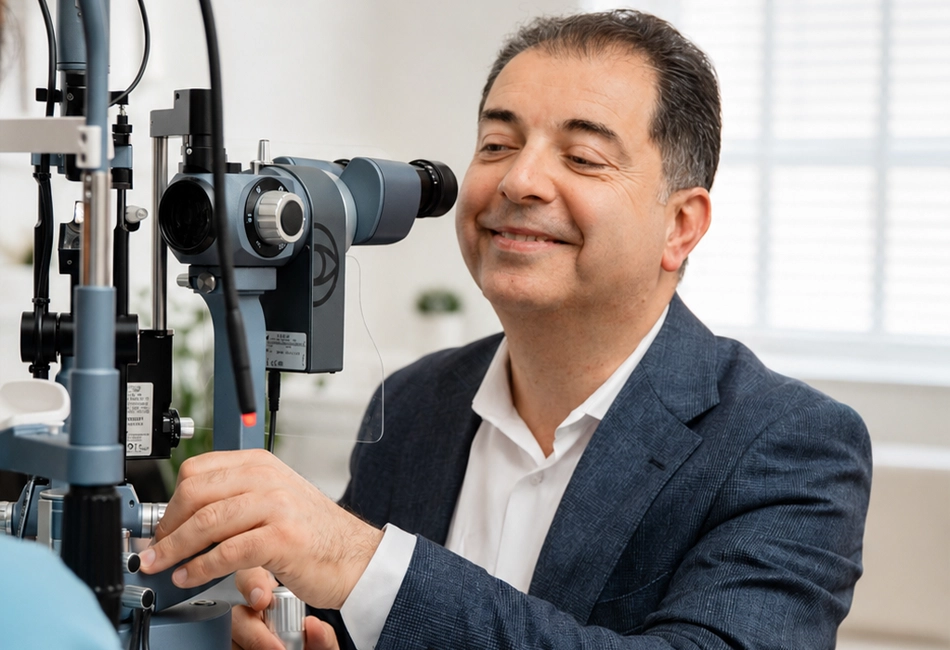
If you have a small eyelid or periocular problem that you would like to have assessed and treated without the inconvenience of multiple appointments or a lengthy surgical pathway, PLEXR® Plus may offer a simpler option. In many suitable cases, assessment and treatment can be carried out during the same visit.
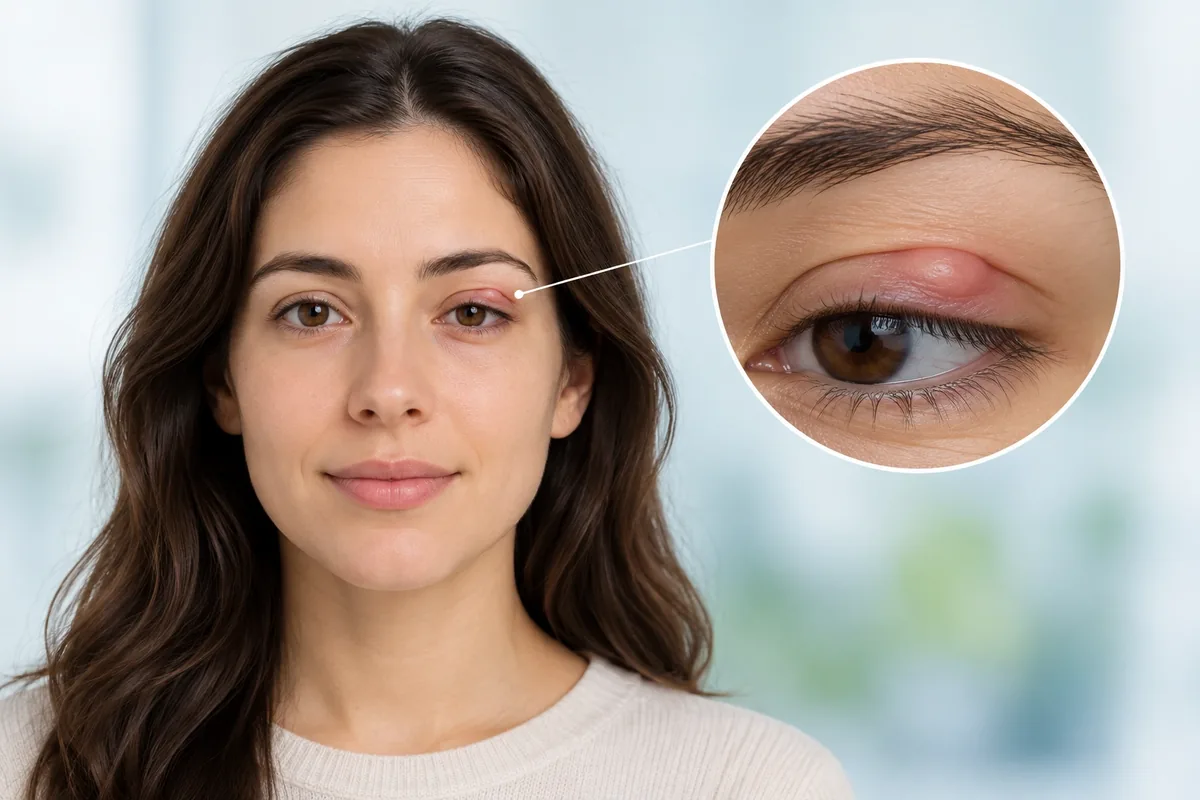
Can PLEXR® Plus treat a chalazion?
Potentially, in selected cases.
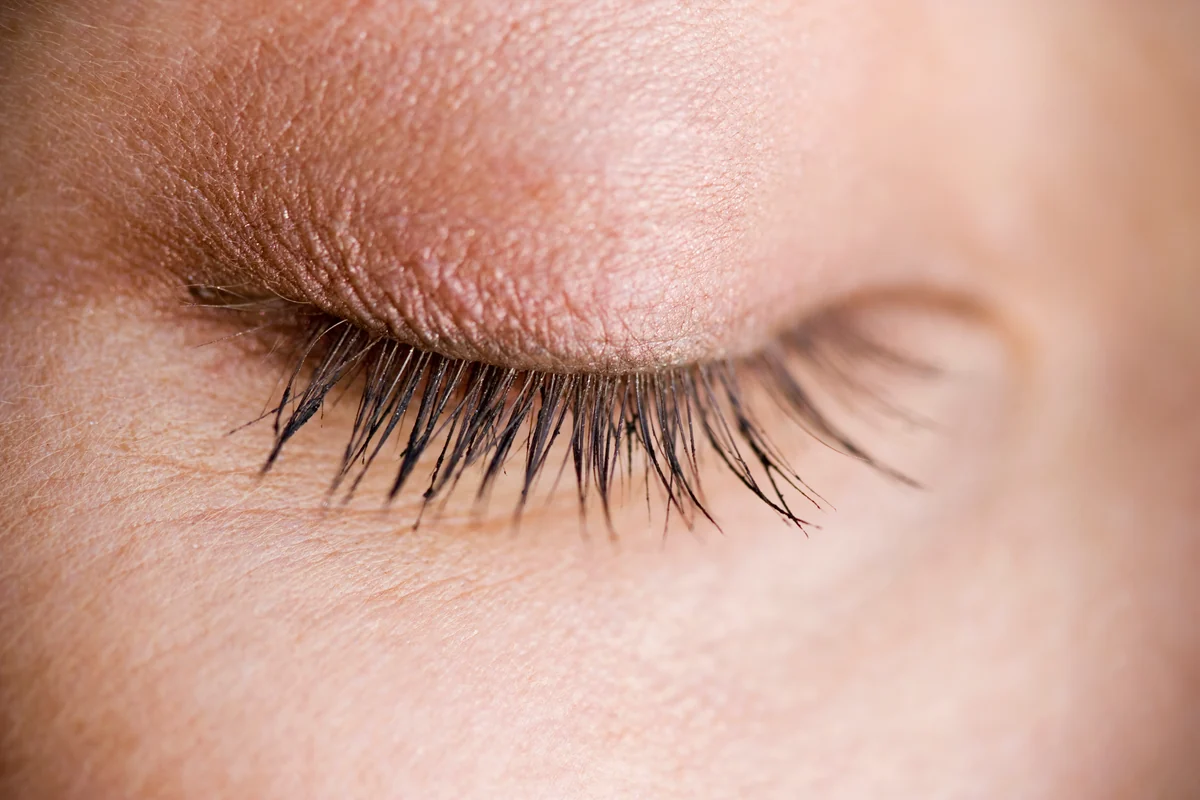
A chalazion is a blocked and inflamed meibomian gland within the eyelid.
Many resolve with conservative treatment or steroid therapy. Persistent chalazia may traditionally require incision and curettage.
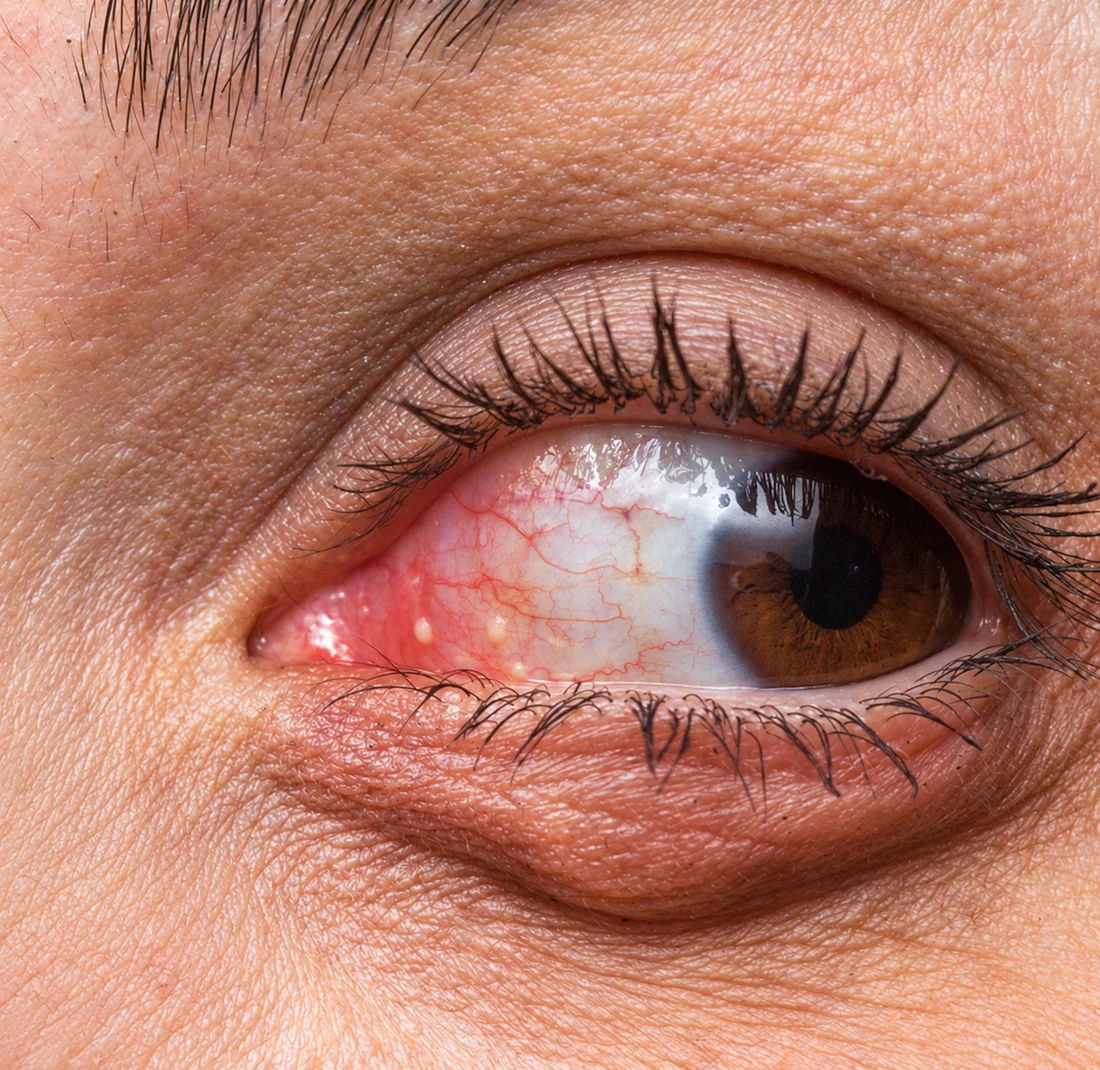
Chalazion is included among the benign eyelid lesions considered within the PANIS literature, but the evidence specifically for plasma treatment is still much more limited than for conditions such as xanthelasma or papilloma.
For that reason, we would assess the lesion first and recommend the most appropriate treatment rather than assuming PLEXR® Plus is always preferable.
Can PLEXR® Plus treat benign eyelid naevi?
Yes, selected benign eyelid and lid-margin naevi may be suitable for plasma treatment.
However, diagnosis is particularly important.
Any lesion that is changing in colour, size, border or shape, or which appears clinically suspicious, may require conventional excision and histological examination instead. Published PANIS work includes treatment of lid-margin naevi and other pedunculated benign lesions using the PLEXR® Plus handpiece.
Can PLEXR® Plus treat haemangiomas or other vascular lesions?
Selected small benign vascular lesions may be suitable.
Published periocular PANIS work has included haemangiomas, although some required more than one treatment session.
Because vascular lesions vary considerably in depth and behaviour, suitability has to be assessed individually.
What about syringomas and seborrhoeic keratoses?
These are also among the benign periocular lesions that have been treated using plasma-assisted techniques.
Syringomas:
small benign sweat-gland lesions around the lower eyelids
Seborrhoeic keratoses
superficial benign skin growths that may be raised or pigmented.
Both were included in published PANIS periocular lesion work, with plasma used to remove the lesions layer by layer.
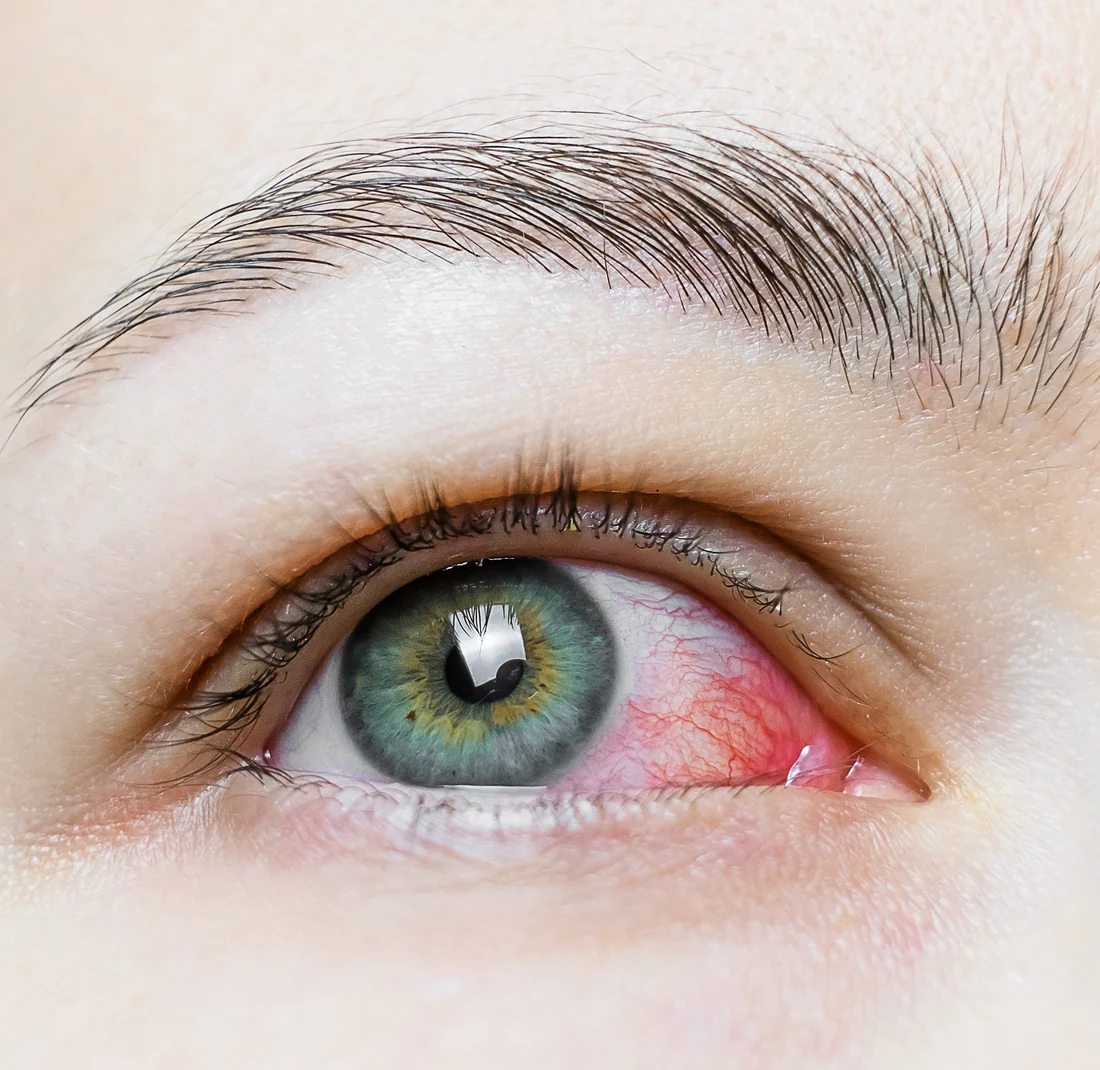
Can PLEXR® Plus help with eyelid laxity or ectropion?
Possibly, in carefully selected patients.
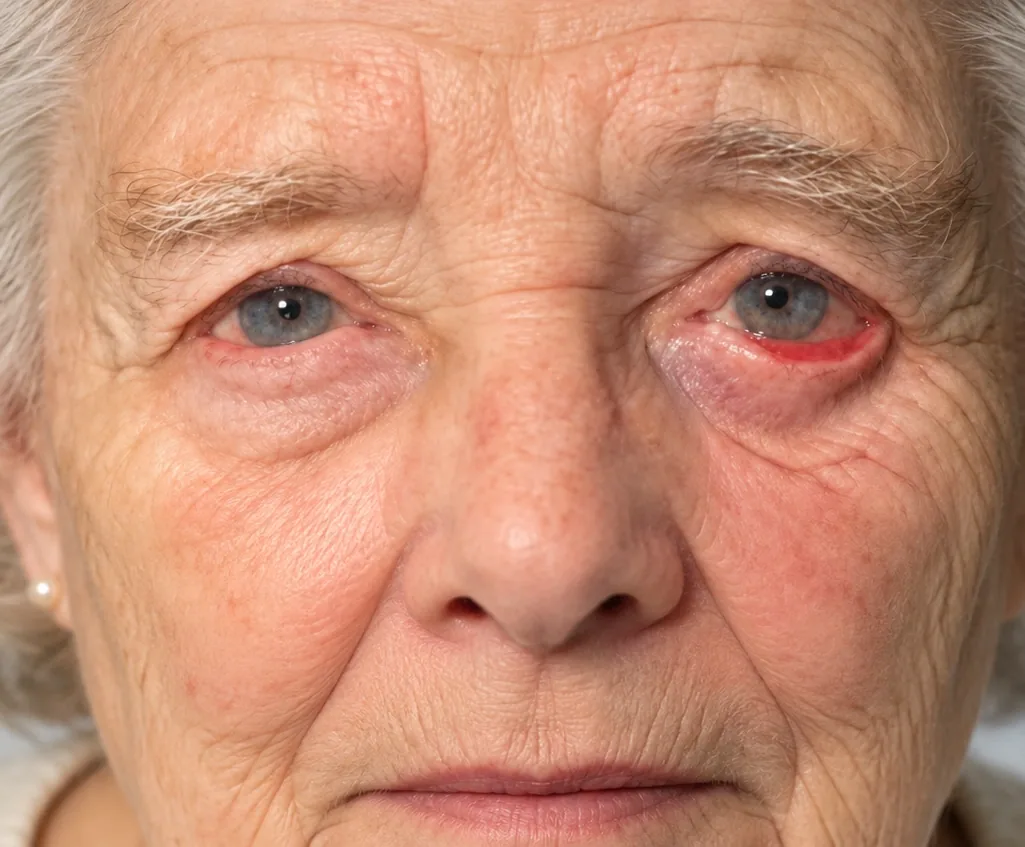
Ectropion occurs when the lower eyelid turns outward and no longer sits properly against the eye.
This can contribute to watering, irritation, exposure and dry-eye symptoms.
A small six-patient clinical study investigated PLEXR® Plus PANIS treatment for ectropion in an office-based setting. Improvement in ectropion grade was reported in all six patients, although the study was small and larger studies are required.
Can PLEXR® Plus be used for non-surgical blepharoplasty?
Yes. This is one of the most established cosmetic applications of plasma technology around the eye.
Dermatochalasis refers to excess or lax upper-eyelid skin. PLEXR® Plus can create controlled contraction of the superficial eyelid skin, producing a tightening effect without removing a strip of skin with a scalpel.
This is often described as non-surgical blepharoplasty.
It is most appropriate for patients with mild to moderate skin laxity who do not require a full surgical blepharoplasty.
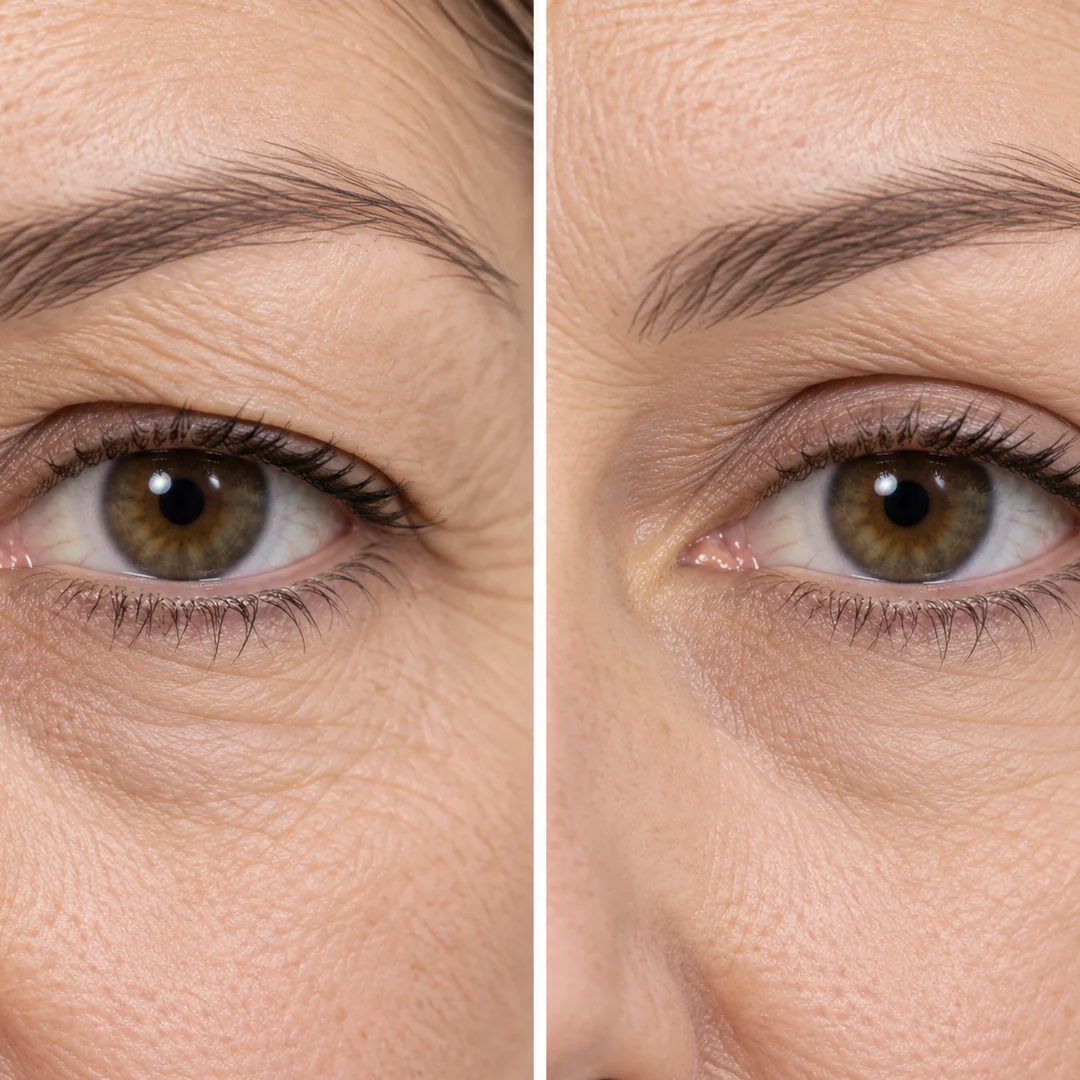
A clinical trial involving 40 patients found significant improvement in upper-eyelid laxity after plasma exeresis, with 90% showing improvement and no serious adverse events reported.
View the dermatochalasis study on PubMed
A separate pilot study used clinical photography and confocal microscopy and found both visible improvement and changes consistent with collagen remodelling following plasma treatment.
View plasma blepharoplasty pilot study
Clinical evidence
40Patients studied
90%Showed improvement in eyelid laxity
How does PLEXR® Plus compare with surgical blepharoplasty?
They are different treatments designed for different problems.
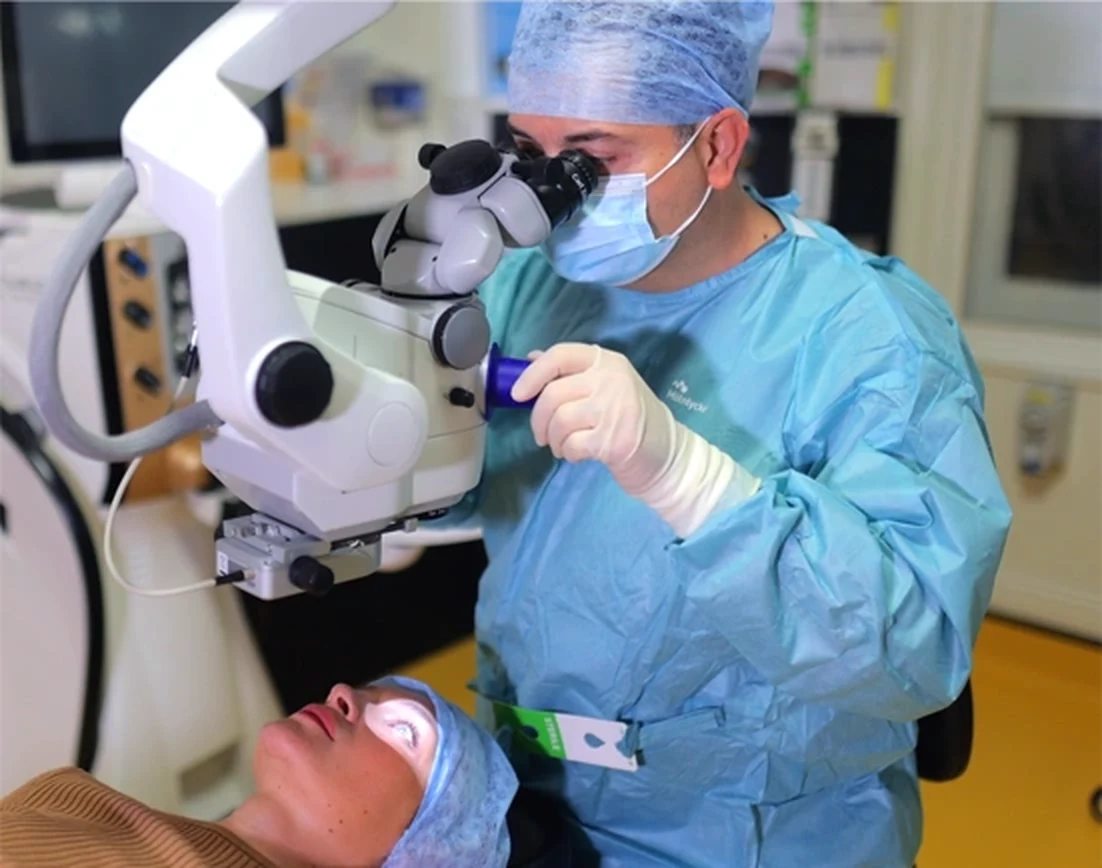
PLEXR® Plus may be suitable when
- mild to moderate superficial skin laxity
- the issue is primarily skin laxity rather than deeper structural change
- a less invasive option is clinically appropriate
Surgery may be more appropriate when there is
- significant excess skin
- prominent fat prolapse
- brow ptosis
- marked eyelid asymmetry
- functional obstruction of vision
- another structural eyelid problem
The aim is not to avoid surgery at all costs.
It is to use the least invasive treatment that can reasonably achieve the desired result.
What other benign eyelid and periocular lesions can be assessed?
PLEXR® Plus has been used for a broad range of selected benign lesions around the eye.
These include:
Xanthelasma, papillomas, skin tags, inclusion cysts, milia, hidrocystomas, syringomas, seborrhoeic keratoses, benign naevi, haemangiomas, sebaceous hyperplasia and other carefully assessed benign lid-margin or periocular lesions.
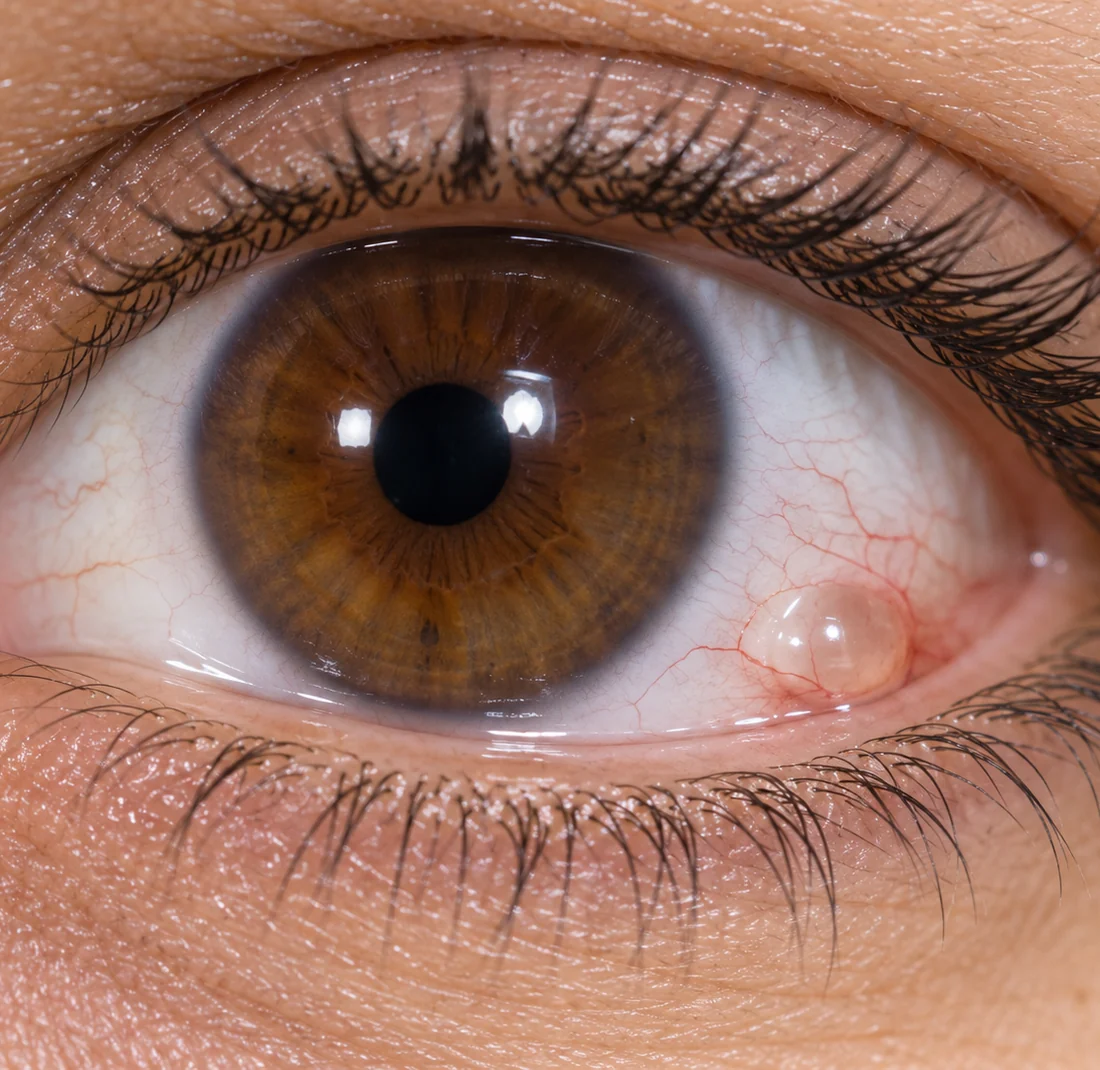
It may be small — but if it bothers you, ask us about it.
If you have a small lump, cyst, growth or area around the eyelid that has been troubling you, you do not need to know its medical name before contacting us.
The first step is simply to establish what it is and whether plasma treatment is appropriate.
Why does assessment matter
before treating an eyelid lesion?
Because not every eyelid lump or growth is benign.
A lesion that is changing, bleeding, ulcerated, irregular or otherwise suspicious may need conventional surgical excision and histological analysis rather than plasma destruction.
At Eye Clinic London, PLEXR® Plus is therefore used only after the lesion has been clinically assessed.
This is particularly important around the lid margin, where treatment must also preserve normal eyelid position, lashes, blinking and ocular-surface function.

Could PLEXR® Plus be appropriate for me?
If you have a small benign eyelid or periocular lesion, an irritating lid-margin abnormality, xanthelasma or mild-to-moderate upper-eyelid skin laxity, PLEXR® Plus may offer a less invasive treatment option.
You may also simply have something around the eye that has bothered you for a long time because you assumed removing it would involve a conventional operation.
The first step is to find out what the lesion is and whether PLEXR® Plus is the right treatment for it.
Not every eyelid problem needs surgery — and not every eyelid problem needs treatment.

PLEXR® Plus treatment fees
PLEXR® Plus treatment starts from £995.
Price confirmed following consultation
The final cost depends on the condition being treated and the treatment required. Your ophthalmologist will confirm this following assessment.
Finance & Insurance
Eye Clinic London ensures exceptional eye care for all with flexible finance and insurance plans. Our team assists with finances, so you can focus on vision and well-being. Connect with us to learn more.





Our Location
Strategically located in Devonshire Street, Harley Medical District, Marylebone, in the heart of London, our clinic is easily accessible, ensuring that your journey to exceptional eye care is as convenient as possible. Our central position ensures that you can easily reach us from various parts of the city.
Devonshire street in Marylebone is not just an address; it’s a hub of convenience and accessibility. With excellent transport links and a wealth of amenities nearby, your visit to Eye Clinic London will be convenient and hassle-free experience.
Whether you are a local resident or visiting from other parts of the UK or abroad, our location will provide you with seamless connection to the private eye doctor in London.
When choosing to travel by public transport please alight at Bond Street Station and walk for 7 mins, alternatively exit at Oxford Circus station or Baker Street Station and walk for 10 mins.
Street parking is available.
Eye Clinic London7 Devonshire StreetLondon, W1W 5DY
The McIndoe CentreHoltye Road EastGrinstead RH19 3EB