 Message Us
Specialist Eye Test For Children
Get in Touch
Specialist Eye Tests For Children And Infants
Are you concerned about the way your child looks at or follows objects? Do your child’s eye seem to be misaligned or do they frequently rub their eyes? Difficulty in tracking or unusual eye movements can be early signs of vision problems. Let our paediatric eye specialist, Mr Samer Hamada provide the clarity you need.
At Eye Clinic London we are dedicated to children and infant service, and we understand the critical nature of early vision development. From the moment your child is born, their vision embarks on a rapid journey of change and growth, requiring vigilant monitoring.
Featured in







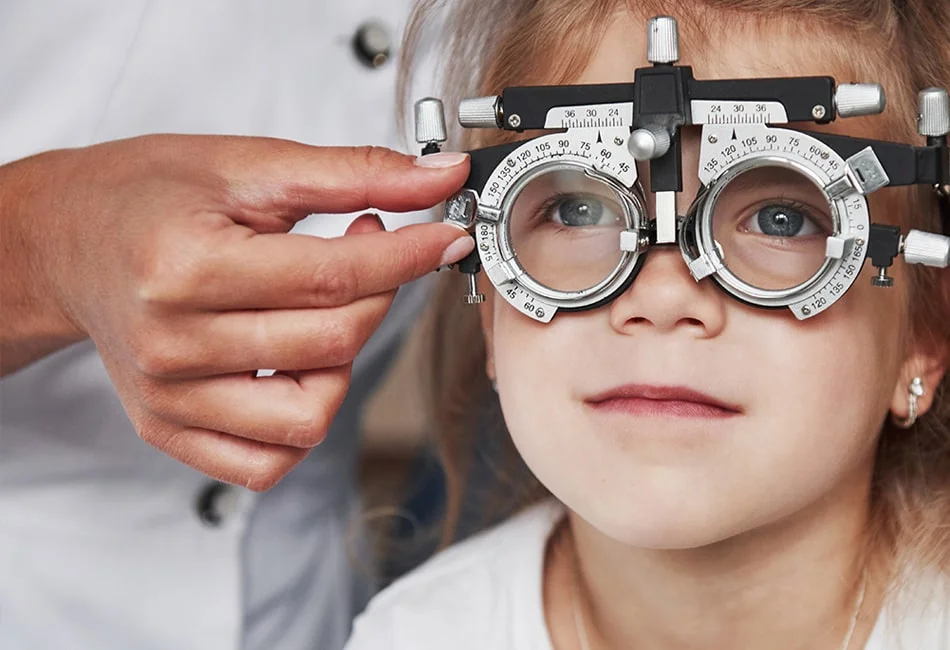
Paediatric Specialists
At Eye Clinic London, we blend a nurturing approach with state-of-the-art diagnostic technology to detect and manage paediatric eye conditions. We understand the anxiety that comes with concerns about your child's vision. Our team, known for its warmth and friendliness, excels in creating a comforting atmosphere for our young patients, making visits pleasant and non-intimidating. We're equipped with advanced, child-friendly diagnostic tools that allow us to identify and understand your child's unique visual needs.
Choosing Eye Clinic London means entrusting your child's vision to experts who not only care for their eyes but also educate and support you as parents. We believe in empowering you with knowledge, so you feel confident in the care your child receives. From the most straightforward vision test to managing complex conditions, our comprehensive approach ensures that your child's vision is in the best hands, paving the way for a future of clear and healthy sight.
Recognised Excellence & Patient Trust




Knowledge is a Key
Understanding your child's eye health can be a journey filled with concerns and questions. As they grow, their eyes are rapidly changing, making early and regular eye checks essential. Conditions like amblyopia (lazy eye), strabismus (squint), nystagmus, binocular vision disorders, and even learning difficulties associated with visual impairment such as dyslexia, can manifest during this crucial time. . Regular eye examinations are crucial in ensuring that this developmental voyage progresses without complications, as even minor issues can have significant impacts on a child’s overall development, including their ability to learn and interact with the world.
Affiliations and Memberships
We are proud to be associated with the following organisations






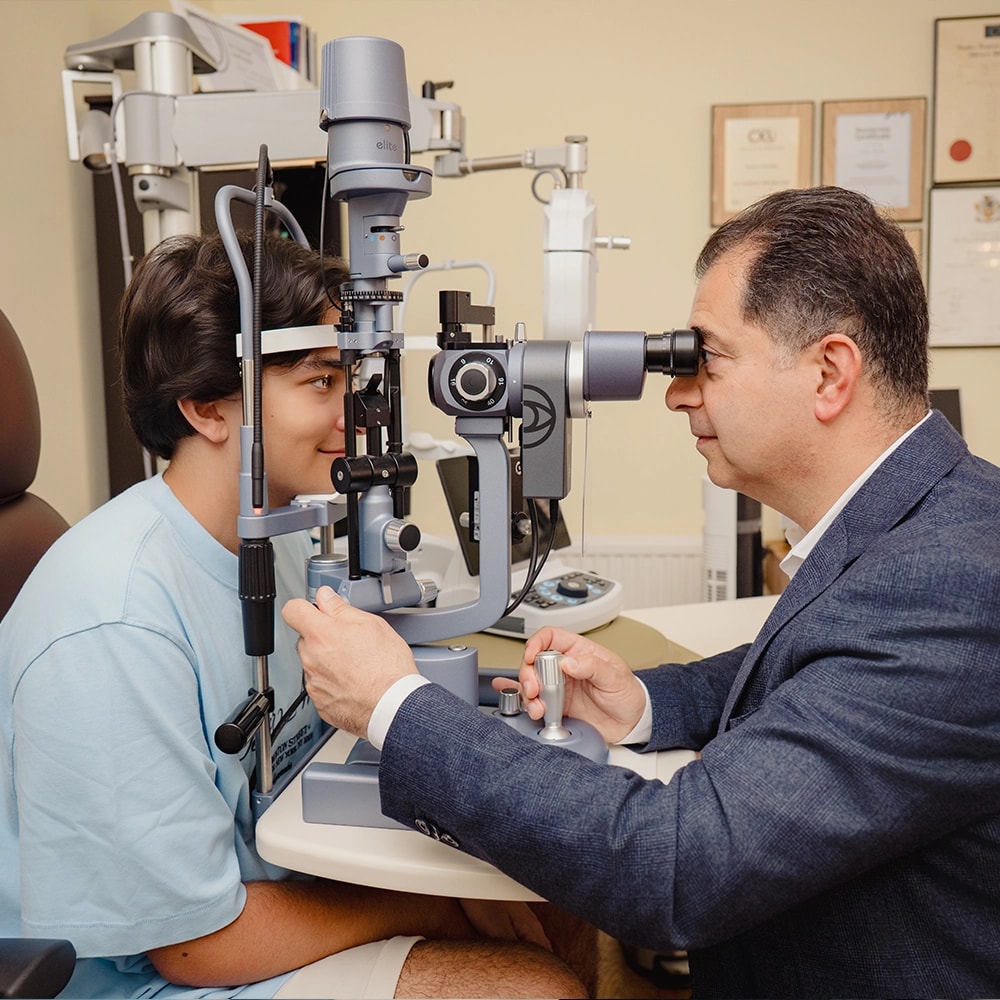
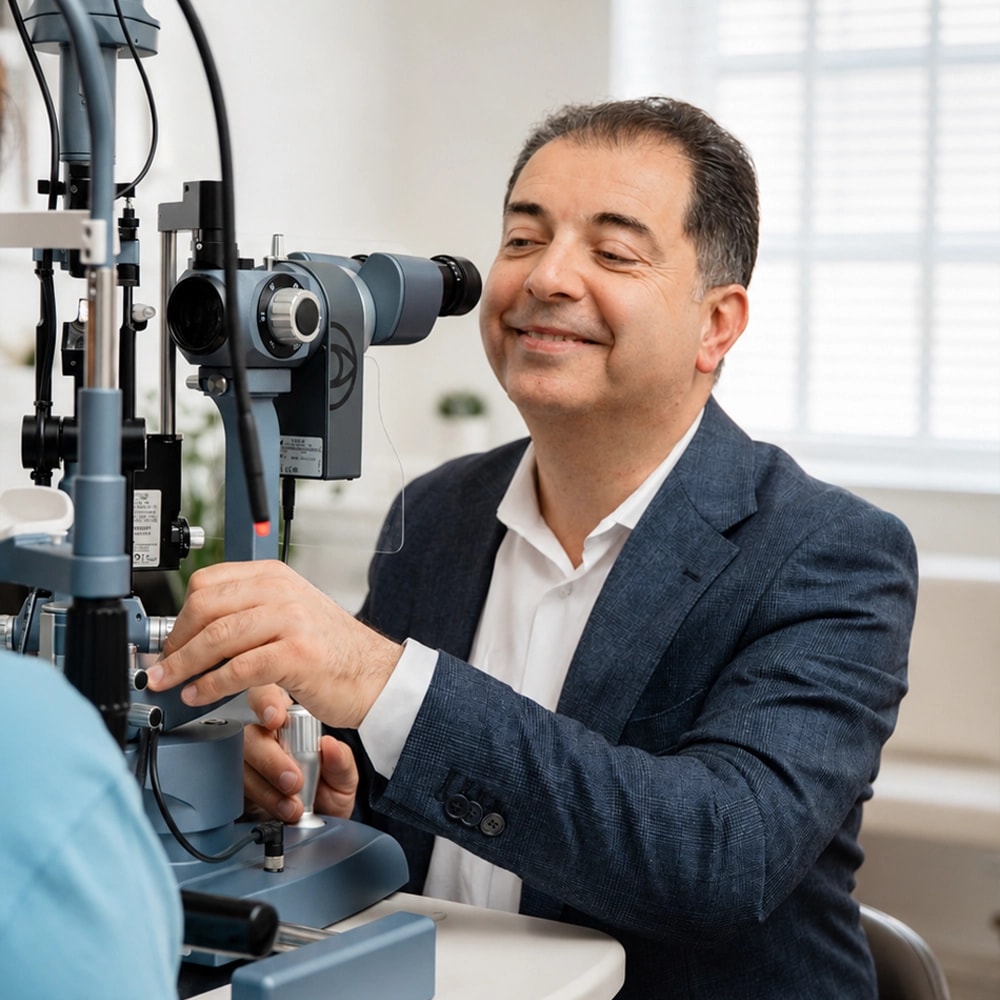
Paediatric Eye Specialist Mr. Hamada
Mr Hamada is an authority in paediatric eye care, particularly skilled in treating congenital corneal diseases and paediatric cataracts. His clinic offers a child-friendly atmosphere that allays the fears of young ones and their parents. Utilising advanced diagnostic techniques tailored for children, Mr Hamada ensures accurate and gentle care. His commitment to paediatric ophthalmology is evident in his ability to enhance the vision and lives of his young patients, helping them gain a clearer perspective of the world.
Everything you need to know about eye testing
At Eye Clinic London, we use the most advanced equipment to make quantitative judgments on the development and level of vision possessed by a child.
We also offer a supplementary service for those with:
- Learning difficulties
- Dyslexia
- Autism-spectrum
- Neurological disorders
- Stroke patients
- Glaucoma patients
Eye movement disorders
This specialist field principally deals with eye movement disorders such as:
- Squint
- Amblyopia
- Nystagmus
- Binocular vision disorders
Accommodative imbalance problems
In addition to eye movement disorders, we also treat any accommodative imbalance problems which may cause eye strain (asthenopia).
It is very important to identify and treat a visual disorder as early as possible as most conditions require treatment before the visual system has matured.
Electrodiagnostic Tests
For infants, the tests will involve sitting with your baby on your lap for 20-30 minutes in front of a large TV screen. Baby can feed during the test.
We will clean areas of the child’s scalp using a slightly gritty gel on a cotton wool bud. We then attach the electrodes on the head using a washable cream. You can then turn your baby towards the TV, where we will present black and white squares of different sizes.
The electrodes will record the responses from the brain to the reversing patterns. We will then gently place sticker electrodes on the cheeks under the child’s eyes and on the temples to record the retinal responses.
We will flash a light to stimulate the child’s retina. The light will first be presented to both eyes, and then each eye will be covered in turn to compare right and left eyes.
At the end of the test, the electrodes are easily removed, and the cream washed off with cotton wool and warm water.
Retinal recordings in older children and adults involve the use of corneal electrodes that are positioned in the lower fornix of each eye.
Electrodiagnostic investigations are used for a wide variety of reasons, including determining the presence of cortical visual impairment in those who are too young or not able to comply with behavioural tests. It can identify congenital or hereditary conditions such as retinal dystrophies and albinism. It can also be used to investigate and monitor amblyopia, strabismus, brain injury, head injury and diseases such as Multiple Sclerosis (MS).
We have vast experience in assessing children, and have developed the necessary skills to obtain patient concentration and cooperation whilst endeavouring to make the patient feel at ease throughout the investigation.
We manage all treatable childhood eye problems through conservative methods, or with eye surgery.
We principally use five different treatment specialities to help facilitate a comprehensive service for a multitude of binocular vision abnormalities including:
- Provide occlusion therapy for amblyopic children
- Present orthoptic exercises for symptomatic patients with conditions such as convergence insufficiency to alleviate symptoms
- Assist in surgical procedures – adjustable sutures
- Use of lenses – Prismatic and Fresnel lenses are used to treat double vision (diplopia). Spherical and cylindrical lenses are used to manipulate convergence and accommodation.
- Use pharmaceutical drugs to improve vision.
Finance & Insurance
Eye care accessibility is our vision. We offer stress-free financial plans and insurance, with a team that handles the finances. Seeking more details? Get in touch with us.






Our Location
Strategically located in Devonshire Street, Harley Medical District, Marylebone, in the heart of London, our clinic is easily accessible, ensuring that your journey to exceptional eye care is as convenient as possible. Our central position ensures that you can easily reach us from various parts of the city.
Devonshire street in Marylebone is not just an address; it’s a hub of convenience and accessibility. With excellent transport links and a wealth of amenities nearby, your visit to Eye Clinic London will be convenient and hassle-free experience.
Whether you are a local resident or visiting from other parts of the UK or abroad, our location will provide you with seamless connection to the private eye doctor in London.
When choosing to travel by public transport please alight at Bond Street Station and walk for 7 mins, alternatively exit at Oxford Circus station or Baker Street Station and walk for 10 mins.
Street parking is available.
Eye Clinic London7 Devonshire StreetLondon, W1W 5DY
The McIndoe CentreHoltye Road EastGrinstead RH19 3EB