 Message Us
C.Diag® Dry Eye Assessment
Get in Touch
Why do my dry eye symptoms keep changing, even when I’m already having treatment?
Many people living with dry eye disease feel frustrated by fluctuating symptoms, temporary relief, or treatments that seem to work for a while and then stop.
This often happens because dry eye is not a single condition — and without precise diagnostics and ongoing monitoring, treatment becomes guesswork.
At Eye Clinic London, dry eye care starts with C.Diag®, an advanced diagnostic platform that allows us to properly understand, track, and manage dry eye disease over time.
Featured in







What is C.Diag®?
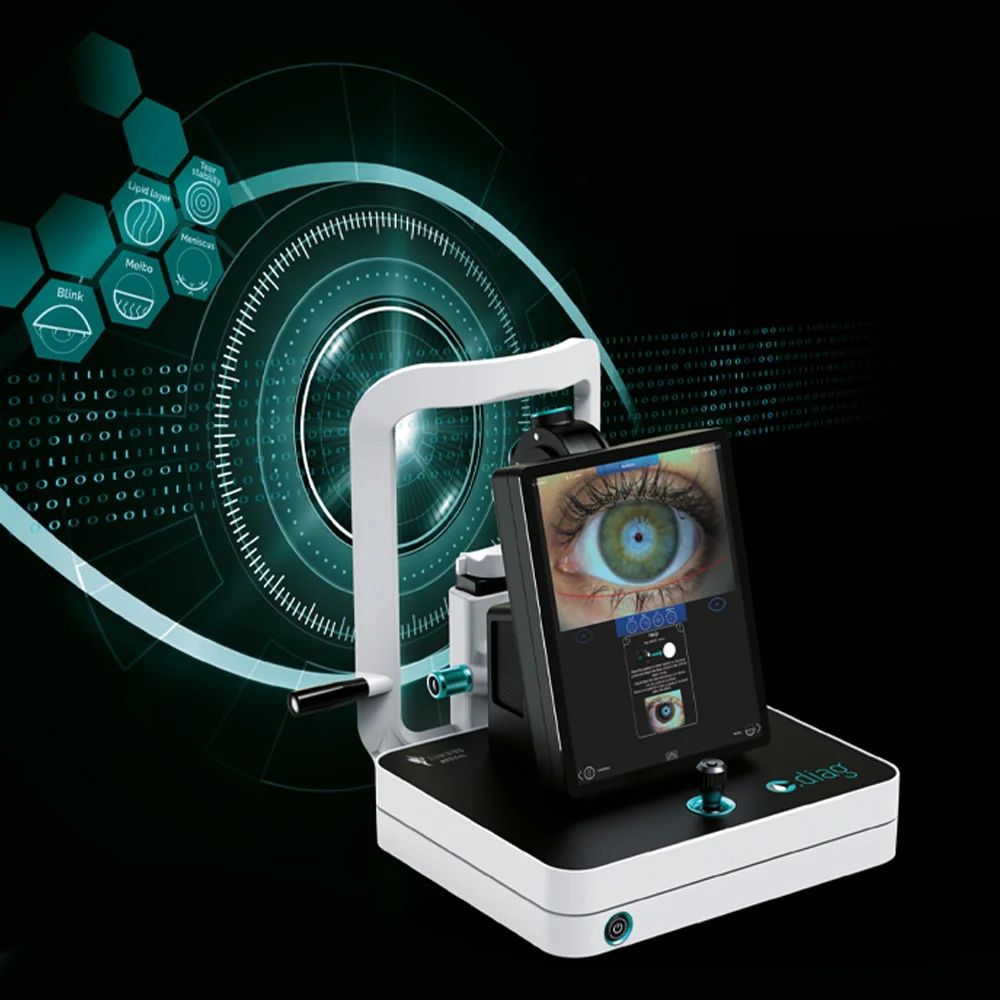
C.Diag® is a comprehensive ocular surface diagnostic system designed specifically for dry eye disease and meibomian gland dysfunction.
Rather than relying on symptoms alone, C.Diag enables us to objectively measure and quantify the key components of dry eye using high-resolution imaging combined with AI-supported analysis.
This creates a clear, repeatable baseline — something many patients have never had before.
Recognised Excellence & Patient Trust



What does C.Diag® assess?
In a single structured assessment, C.Diag evaluates:
Tear film stability (non-invasive break-up time)
Lipid layer quality
Tear meniscus height
Blink dynamics and blink completeness
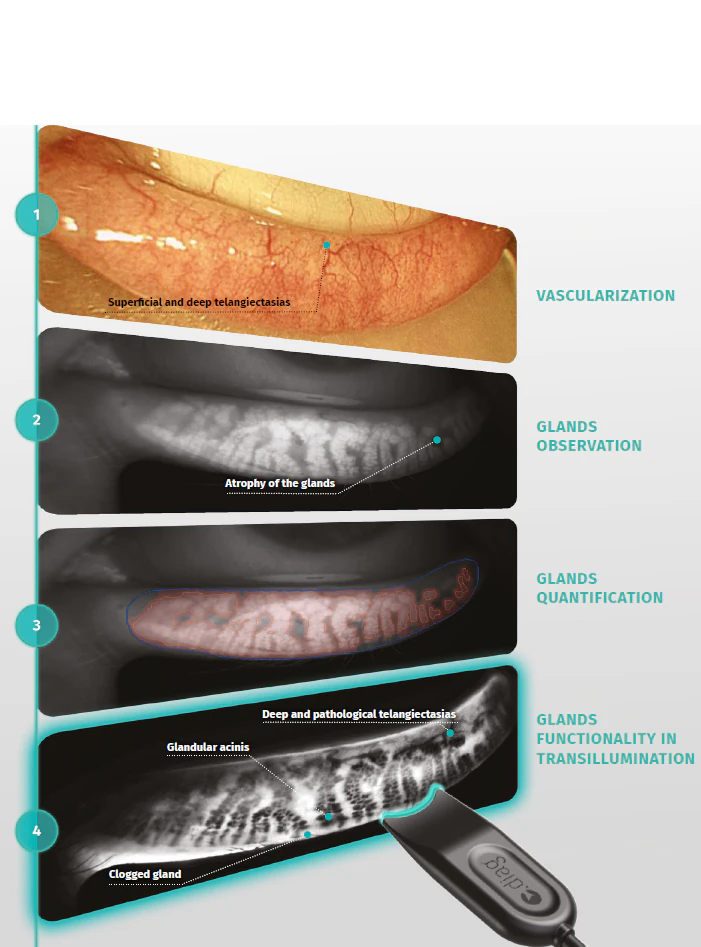
Standard and transillumination meibography
Meibomian gland structure, dropout, and function
Ocular surface and inflammatory changes
Validated dry eye questionnaires aligned with international
Together, these measurements allow us to identify the dominant cause of your dry eye, rather than treating symptoms in isolation.
Affiliations and Memberships
We are proud to be associated with the following organisations





Why diagnosis alone is not enough
Dry eye disease is dynamic. It can improve, worsen, or change its pattern over time — sometimes without obvious symptoms. This is why management and monitoring are just as important as the initial diagnosis.
Using C.Diag, we can:
- Track changes in meibomian gland health
- Assess response before and after treatments
- Adjust treatment plans based on objective data, not trial and error
C.Diag turns dry eye into a measurable, manageable condition, rather than a subjective experience.
Why have your dry eye assessment at Eye Clinic London?
Advanced diagnostics are essential — but they are only the starting point.
Dry eye does not have a one-size-fits-all solution. Two patients with similar symptoms may require entirely different treatment strategies.
At Eye Clinic London, we combine diagnostic-led assessment with fully personalised care.
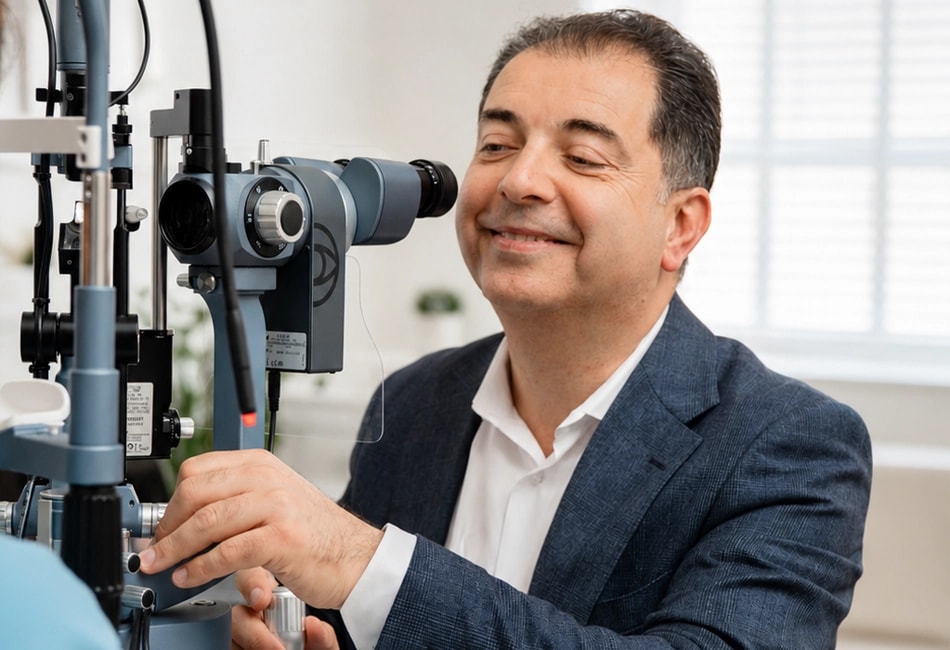
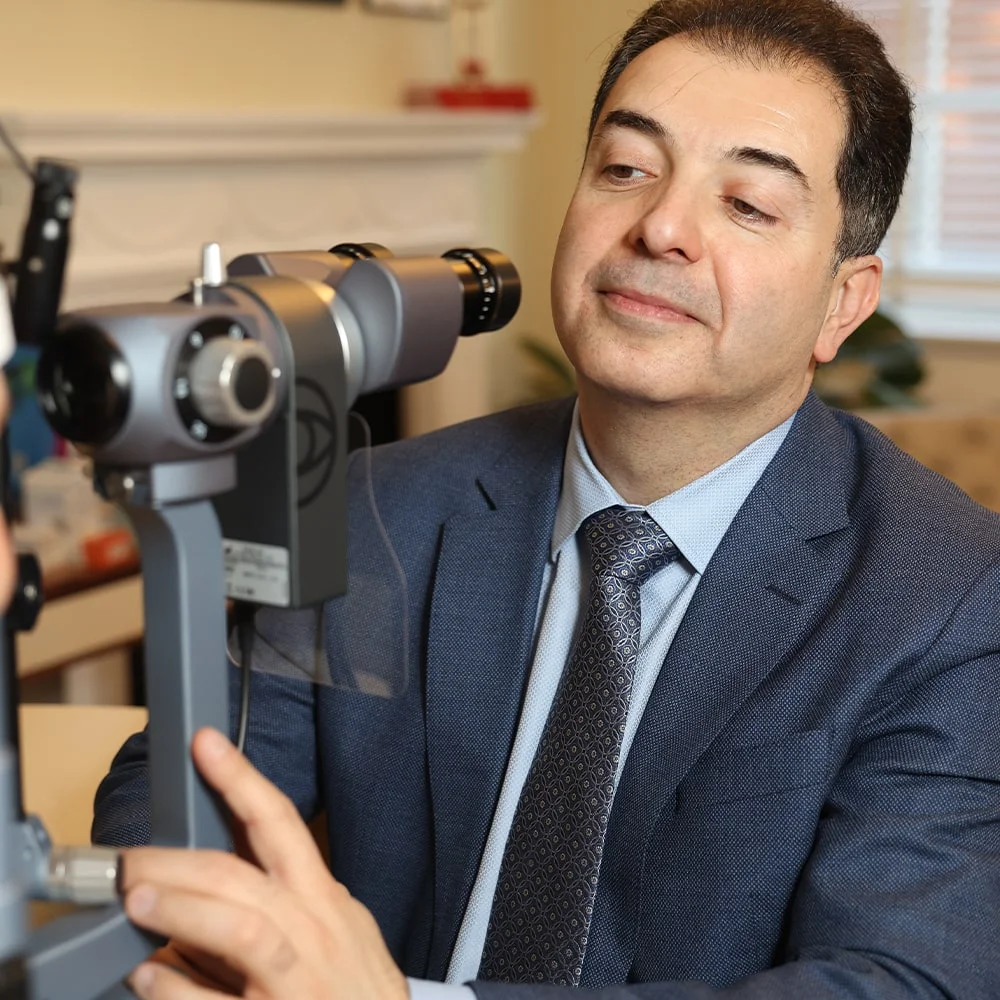
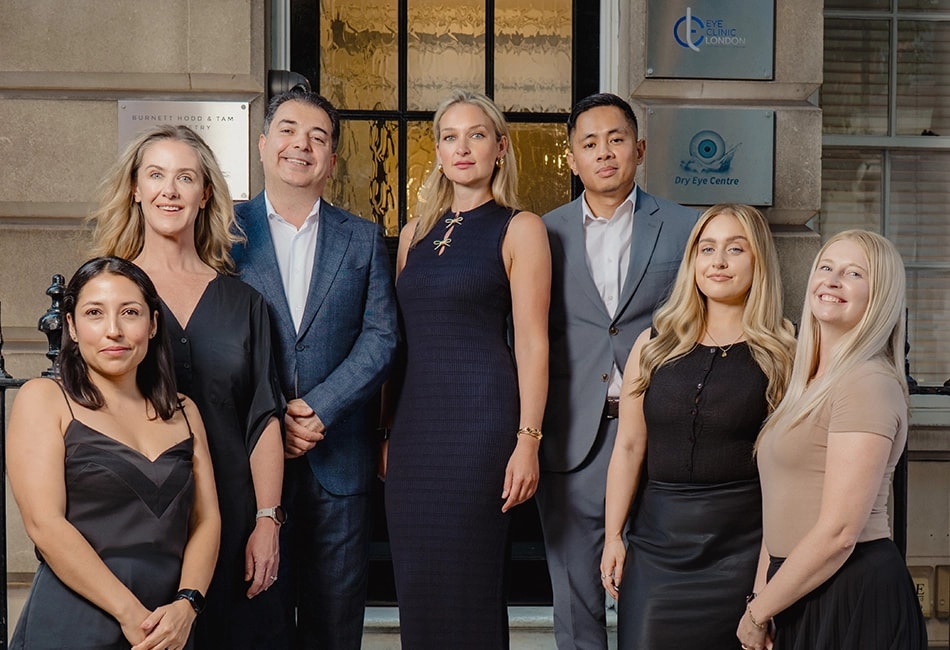
Your dry eye management is led by Mr Samer Hamada, a leading specialist in ocular surface disease, dry eye, and meibomian gland dysfunction in the UK and internationally, supported by a dedicated dry eye specialist team.
We focus on identifying the root cause of your symptoms and designing a treatment plan tailored to you — taking into account:
- Your diagnostic findings
- Disease severity and progression
- Symptoms and visual demands
- Lifestyle, screen use, and environment
- Diet, supplements, and systemic factors
- Your expectations and long-term goals
This holistic approach ensures treatment is targeted, appropriate, and adaptable, rather than generic or protocol-driven.
From diagnosis to personalised treatment
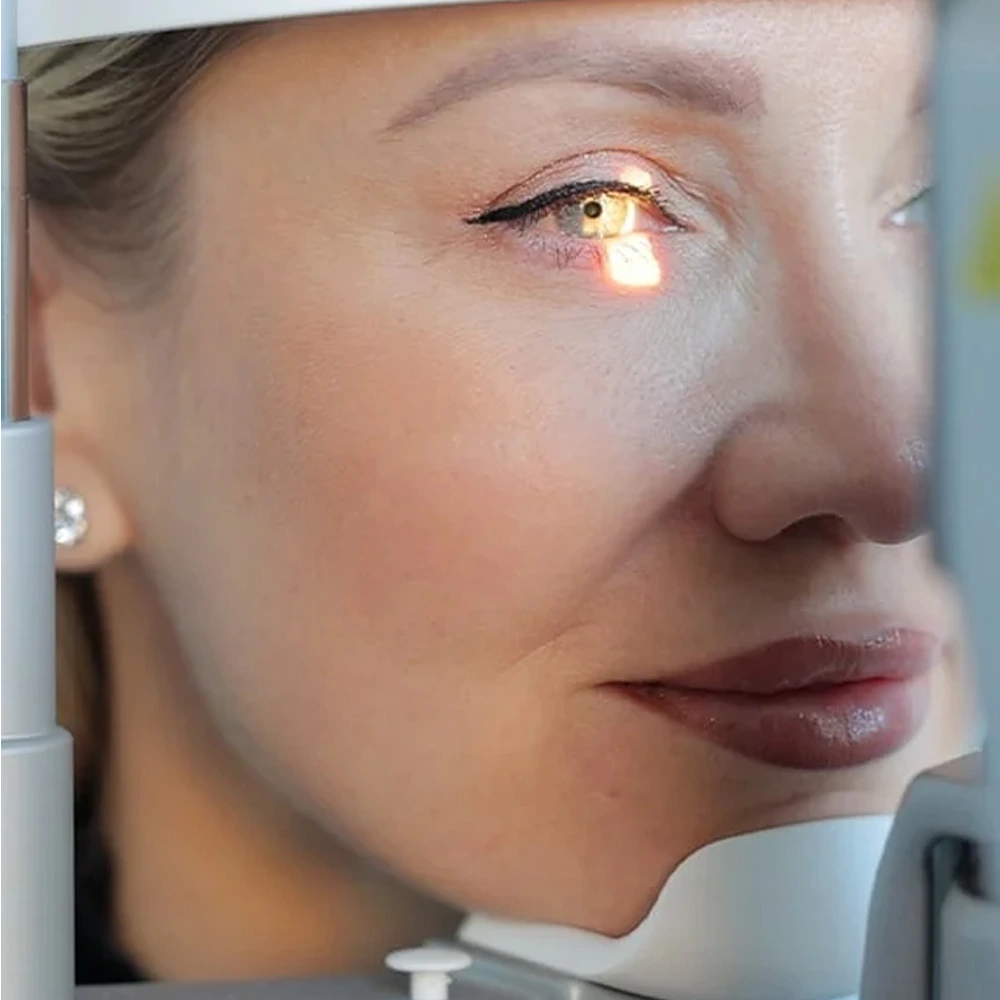
Once your C.Diag® assessment and slit-lamp findings are complete, your results are used to design a bespoke treatment plan, selected specifically for your condition.
For many patients, this plan combines in-clinic treatments with targeted measures at home — such as appropriate eye drops, warm compresses, lid care, and guidance on lifestyle, screen use, and diet — selected specifically for your diagnosis and individual needs.
Depending on your findings, treatment options may include:
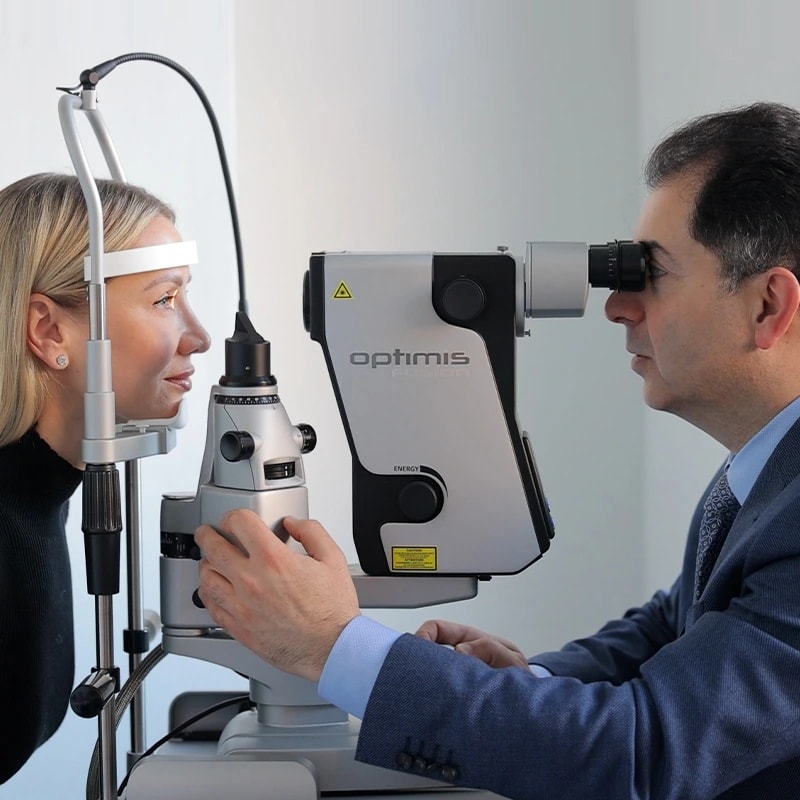
Intense Pulsed Light (IPL / OptiLight®)
Used for patients with meibomian gland dysfunction, inflammation, or rosacea-related dry eye. Treatment protocols are tailored based on gland structure, activity, and response over time.
Punctal Plugs
Used selectively to improve tear retention when tear drainage contributes to ocular surface dryness, always as part of a wider management strategy.
Lacrifill® - New Treatment
An advanced treatment designed to enhance tear volume and ocular surface lubrication in selected patients, particularly where tear deficiency plays a key role.
Dry eye management is rarely about a single treatment. It is about choosing the right combination of therapies, in the right sequence, for the right patient.
Take the first step towards clarity and control
If you are tired of persistent symptoms, inconsistent results, or treatments without clear answers, a comprehensive diagnostic assessment is often the turning point.
Book your dry eye assessment today
Because dry eye cannot be managed properly unless it is measured, understood, and personalised.
Finance & Insurance
Discover affordable eye care through our flexible finance and insurance offerings with expert financial guidance at Eye Clinic London. For comprehensive understanding, please contact us.





Our Location
Strategically located in Devonshire Street, Harley Medical District, Marylebone, in the heart of London, our clinic is easily accessible, ensuring that your journey to exceptional eye care is as convenient as possible. Our central position ensures that you can easily reach us from various parts of the city.
Devonshire street in Marylebone is not just an address; it’s a hub of convenience and accessibility. With excellent transport links and a wealth of amenities nearby, your visit to Eye Clinic London will be convenient and hassle-free experience.
Whether you are a local resident or visiting from other parts of the UK or abroad, our location will provide you with seamless connection to the private eye doctor in London.
When choosing to travel by public transport please alight at Bond Street Station and walk for 7 mins, alternatively exit at Oxford Circus station or Baker Street Station and walk for 10 mins.
Street parking is available.
Eye Clinic London7 Devonshire StreetLondon, W1W 5DY
The McIndoe CentreHoltye Road EastGrinstead RH19 3EB