

Glaucoma and Lifestyle: Can Diet, Sleep or Caffeine Affect Progression?

If you have been diagnosed with glaucoma, you may naturally question whether lifestyle changes can slow progression. You might wonder if diet, exercise, sleep position or caffeine intake influence your eye pressure. We recognise that these concerns are entirely reasonable and reflect a desire for control.
Glaucoma is primarily managed through medication, laser or surgical intervention. You rely on these treatments to achieve target pressure and protect the optic nerve. We explain that lifestyle factors may offer supportive benefits, but they do not replace structured medical therapy.
Understanding what truly matters helps you avoid unnecessary restriction or anxiety. You benefit from focusing on realistic, evidence-based adjustments rather than extreme measures. We aim to separate helpful habits from misconceptions.
In this guide, you will learn what current evidence suggests about exercise, caffeine, sleep posture, blood pressure and vascular health. We clarify how these factors relate to glaucoma progression. Clear, balanced information supports confident and informed decision-making.
Can Exercise Lower Eye Pressure?
Regular physical activity can produce a modest reduction in intraocular pressure for some individuals. You may notice this effect particularly with aerobic exercise such as brisk walking, cycling or swimming. We understand that the reduction is usually temporary, yet it can be repeated with consistent activity.
Consistent moderate exercise supports overall cardiovascular and vascular health. You benefit from improved circulation, which may assist optic nerve perfusion. We emphasise that exercise complements but does not replace prescribed glaucoma treatment.
Very intense or heavy resistance training can cause short-term pressure spikes. You reduce risk by favouring moderate, balanced routines over extreme exertion. We encourage sustainable habits that promote both systemic and ocular wellbeing.
Does Strength Training Pose a Risk?

Heavy resistance training can cause a temporary rise in intraocular pressure. You may experience this increase particularly if you hold your breath during lifting, a technique known as the Valsalva manoeuvre. We recognise that for most individuals, this spike is brief and settles quickly.
If your glaucoma is advanced or pressure control is fragile, you may be advised to exercise with moderation. You can reduce risk by avoiding breath-holding and maintaining steady breathing throughout exertion. We often suggest controlled technique rather than maximal strain.
You do not need to eliminate strength training altogether. You benefit from adjusting intensity and focusing on proper form. We encourage balanced exercise that supports overall health while protecting ocular stability.
What About Yoga and Inverted Positions?
Certain yoga postures position your head below your heart. You may experience a significant rise in intraocular pressure while holding inverted poses such as headstands. We recognise that this increase is temporary but can be notable.
If you practise yoga regularly, you might consider modifying or avoiding prolonged inversions. You can continue most other poses safely without concern. We encourage balanced activity rather than complete restriction.
Discussing your specific exercise routine with your clinician provides clarity. You benefit from advice tailored to your disease stage and pressure stability. We individualise recommendations according to severity and overall risk profile.
Alcohol and Glaucoma
Alcohol can produce a short-term reduction in intraocular pressure. You may see a temporary change, but the effect is brief and unpredictable. We do not consider this a viable or safe treatment strategy for glaucoma.
Excessive alcohol consumption carries wider health risks that outweigh any transient pressure change. You benefit more from balanced and moderate habits than from extremes. We encourage decisions that protect overall cardiovascular and neurological health.
There is no clear evidence that moderate drinking accelerates glaucoma progression. You should focus on maintaining general wellbeing rather than seeking pressure control through alcohol. We prioritise long-term stability over short-lived effects.
Diet and Nutritional Influence
No specific diet has been shown to cure or stop glaucoma. You should understand that nutrition alone cannot replace prescribed treatment. We emphasise that a balanced diet supports vascular and systemic health, which indirectly benefits your eyes.
Leafy green vegetables may assist nitric oxide pathways that influence blood flow regulation. You also gain general cellular support from antioxidant-rich fruits. We encourage nutrient-dense choices that contribute to overall resilience rather than targeting glaucoma alone.
Although diet cannot substitute medical therapy, it works alongside it. You benefit from a heart-healthy eating pattern that supports circulation and wellbeing. We view nutrition as a complementary part of comprehensive glaucoma care.
Does Caffeine Affect Eye Pressure?

Caffeine is commonly discussed in relation to eye pressure, particularly in people with glaucoma. You may wonder whether everyday habits such as drinking coffee pose a risk. Understanding the scale and duration of its effect helps you make balanced decisions.
- Temporary Pressure Changes: Caffeine can cause a mild and short-lived rise in intraocular pressure. For most patients, moderate intake does not lead to sustained harm.
- Impact of Higher Consumption: Several strong coffees consumed within a short period may create a more noticeable spike. The effect remains temporary in the majority of cases.
- Practical Approach: Complete avoidance is rarely required. Moderation and awareness are usually sufficient for safe consumption.
By maintaining sensible habits, you reduce the likelihood of unnecessary fluctuations. We encourage moderation rather than restriction in most cases. Balanced lifestyle choices complement, but do not replace, your prescribed glaucoma management.
Omega-3 and Eye Health
Omega-3 fatty acids are frequently linked with general eye health. You may benefit from improved tear stability and reduced surface inflammation. We note, however, that evidence connecting omega-3 intake directly with slowing glaucoma progression remains limited.
Maintaining a balanced diet supports overall cardiovascular wellbeing. You rely on healthy circulation to sustain adequate optic nerve perfusion. We emphasise that systemic health contributes indirectly to ocular resilience.
Any supplementation should be discussed with your clinician before starting. You have individual health factors that may influence suitability. We tailor advice according to your broader medical profile rather than recommending a universal approach.
Blood Pressure and Glaucoma
Blood pressure has a nuanced relationship with glaucoma. You may experience vascular damage if blood pressure remains very high over time. We also recognise that excessively low pressure can reduce blood flow to the optic nerve.
Night-time dips in blood pressure may increase optic nerve vulnerability. You should be aware that this is particularly relevant in normal-tension glaucoma. We assess systemic factors carefully when pressure readings alone do not explain progression.
Monitoring and maintaining stable blood pressure supports optic nerve health. You benefit when your GP and ophthalmologist coordinate care. We encourage shared management to balance systemic and ocular considerations effectively.
Sleep Position and Eye Pressure
Your sleeping position can influence intraocular pressure overnight. You may experience slightly higher pressure when lying flat compared with sitting upright. We also observe that sleeping consistently on one side can increase pressure in the eye that rests lower.
Raising your head slightly with a supportive pillow may help reduce these fluctuations. You benefit from a modest but measurable difference in pressure stability. We suggest simple adjustments rather than extreme changes to your routine.
If you have asymmetric glaucoma, your side-sleeping habits may be worth discussing. You can consider small positional modifications if one eye is more vulnerable. We individualise advice according to your specific pressure pattern and disease stage.
Sleep Apnoea and Glaucoma Risk
Obstructive sleep apnoea has been linked to a higher risk of glaucoma. You may not immediately connect sleep quality with eye health, yet repeated oxygen fluctuations can influence optic nerve function. Recognising this association supports more comprehensive care.
- Link Between Sleep Apnoea and Glaucoma: Intermittent oxygen drops may affect optic nerve health. Snoring and persistent daytime fatigue are common warning signs.
- Importance of Assessment and Treatment: If sleep apnoea is suspected, formal evaluation is essential. Treatment such as CPAP helps stabilise oxygen levels overnight.
- Broader Health Benefits: Managing sleep disorders supports both systemic and ocular wellbeing. Early recognition reduces the risk of further complications.
By addressing underlying sleep conditions, you strengthen overall health as well as eye stability. We encourage appropriate referral when symptoms suggest sleep apnoea. Coordinated care supports long-term protection of your vision.
Stress and Eye Pressure
Stress does not directly cause glaucoma, but it can influence your blood pressure and overall health. You may experience disrupted sleep and altered vascular regulation when stress is prolonged. We recognise that these indirect effects can affect general wellbeing.
Relaxation strategies such as breathing exercises or structured downtime can support your overall health. You benefit from improved sleep quality and steadier daily rhythms. We emphasise that these measures complement, rather than replace, prescribed glaucoma treatment.
Managing stress is helpful but should not be viewed as a cure. You need a balanced understanding of its supportive role. We encourage realistic expectations while maintaining consistent medical care.
Smoking and Vascular Health
Smoking damages blood vessels and limits oxygen delivery throughout your body. You rely on healthy circulation to support optic nerve function. We emphasise that stopping smoking benefits overall vascular stability and long-term eye health.
Although smoking is not considered a direct cause of glaucoma, it can aggravate vascular risk factors. You may increase vulnerability if circulation is compromised over time. We encourage cessation because improved systemic health strengthens protective mechanisms.
Protecting circulation helps support optic nerve resilience. You benefit when lifestyle adjustments complement medical management. We view smoking cessation as part of a comprehensive and proactive care approach.
Hydration and Fluid Intake
Drinking very large amounts of water quickly can cause a temporary rise in intraocular pressure. You may not notice symptoms, but the change can be measurable. We therefore recommend steady, moderate hydration rather than rapid intake of large volumes.
You do not need to restrict normal daily fluid consumption. The concern mainly applies to consuming excessive quantities within a short period. We advise maintaining a regular pattern of drinking rather than extremes.
Balanced hydration supports your overall health and circulation. You benefit from avoiding unnecessary or restrictive practices. We encourage sensible, consistent habits rather than sudden or excessive intake.
Can Lifestyle Replace Medical Treatment?
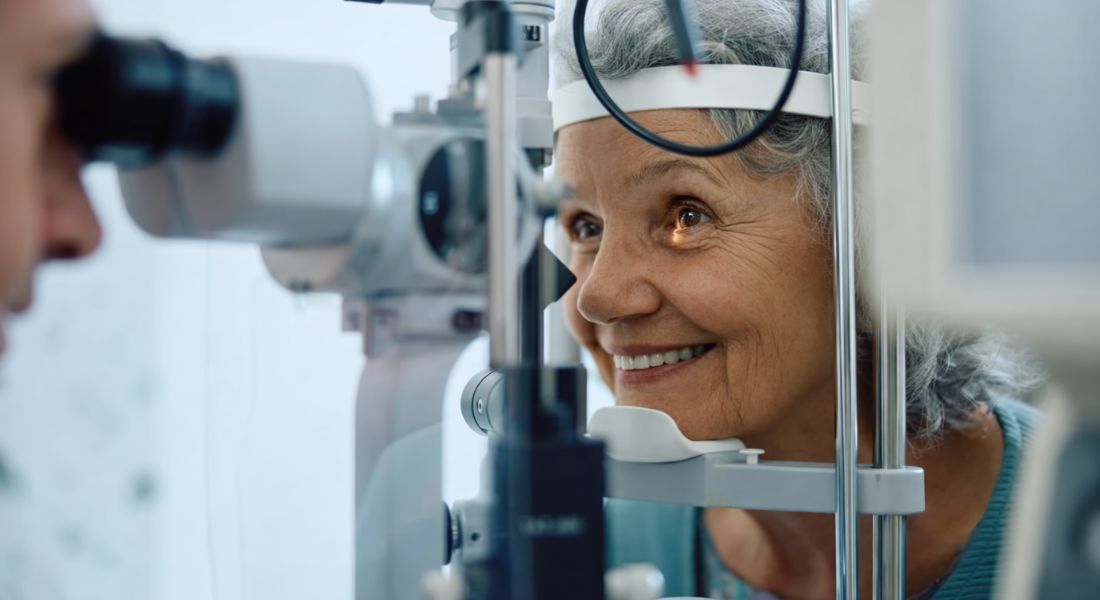
Looking after your general health can support overall wellbeing, but it does not replace medical care for glaucoma. You may adopt positive lifestyle habits, yet pressure control remains central to protecting your vision. Clear understanding of this balance helps you avoid unintended risk.
- Core Role of Medical Treatment: Glaucoma is primarily a pressure-driven condition. Medication, laser therapy, or surgery form the foundation of management.
- Limits of Lifestyle Measures: Healthy habits can complement treatment but cannot substitute it. Relying on lifestyle alone risks continued disease progression.
- Evidence-Based Care: Structured glaucoma treatment in London follows established clinical guidelines. Therapy is tailored to your disease stage and target pressure.
By combining appropriate intervention with supportive habits, you create the strongest defence against progression. We prioritise treatments that are proven to reduce pressure effectively. Consistent, tailored care remains the most reliable way to preserve your long-term vision.
A Balanced Perspective
It is entirely natural for you to seek a sense of control through lifestyle adjustments. You may hope that changes alone can halt progression. We explain that current evidence suggests their impact is modest when compared with medical treatment, so expectations should remain balanced.
You can still gain supportive benefits from regular exercise, a balanced diet, stable blood pressure and adequate sleep. We recognise that these habits contribute positively to overall systemic and ocular health. They reinforce resilience but do not replace prescribed therapy.
Clear understanding helps you avoid unnecessary dietary restriction or excessive worry. You benefit from maintaining proportion rather than adopting extreme measures. We encourage steady, evidence-based choices that complement structured medical care.
FAQs:
- Can you slow glaucoma progression through lifestyle changes alone?
You cannot rely on lifestyle changes alone to control glaucoma. We know that pressure-lowering treatmentremains the foundation of care. Healthy habits may offer supportive benefits, but they do not replace prescribed therapy. - Does regular exercise genuinely help your eye pressure?
You may experience a small and temporary reduction in pressure with moderate aerobic activity. We encourage consistent, balanced exercise because it supports circulation and general wellbeing. Extreme exertion, however, is not necessary for benefit. - Should you stop drinking coffee if you have glaucoma?
You do not usually need toeliminate caffeine completely. We understand that moderate intake causes only a brief and mild pressure rise in most individuals. Sensible consumption is generally sufficient rather than strict avoidance. - Can your sleeping position affect your eye pressure overnight?
You may experience slightly higher pressure when lying flat or consistently sleeping on one side. We sometimes suggest modest elevation of your head to improve stability. Small adjustments can be helpful without disrupting your routine. - Does high blood pressure make glaucoma worse?
You should recognise that bothvery high and very low blood pressure can influence optic nerve health. We monitor vascular factors because stable circulation supports nerve protection. Coordinated care with your GP strengthens long-term management. - Is yoga safe if you have glaucoma?
You can practise most yoga safely, but prolonged inverted poses may temporarily raise pressure. Weadvise avoiding sustained head-down positions if your disease is advanced. Balanced modification is usually preferable to complete restriction. - Can diet alone protect your optic nerve?
Youbenefit from a heart-healthy diet that supports vascular wellbeing. We emphasise that nutrition contributes indirectly rather than acting as a direct treatment. Medical therapy remains essential for effective pressure control. - Does alcohol help reduce eye pressure?
You may notice a brief pressure change after drinking alcohol, but it is not a reliable strategy. We do not recommend using alcohol for glaucoma management. Moderation and overall health remain more important considerations. - How important is managing stress in glaucoma?
You may find that reducing stress improves sleep and overall health stability. We view relaxation strategies as supportive rather than curative. Structured treatment continues to play thecentral role in protecting your vision. - What is the most important lifestyle priority if you have glaucoma?
You should focus on balanced exercise, steady blood pressure, goodsleep and medication adherence. We encourage realistic adjustments that strengthen systemic health. Consistency in medical follow-up remains the strongest safeguard against progression.
Final Thought: Glaucoma and Lifestyle Factors
Lifestyle factors such as exercise, caffeine intake, sleep posture, and blood pressure can influence intraocular pressure modestly, but their effect is generally supportive rather than decisive. Maintaining cardiovascular health and stable circulation benefits the optic nerve, yet medical therapy remains central to disease control. Balanced exercise, moderate caffeine consumption, and attention to sleep quality contribute to overall wellbeing without replacing prescribed care. Realistic expectations ensure that lifestyle adjustments complement rather than substitute structured treatment.
The situation is best addressed through evidence-based management combined with sensible lifestyle habits that support vascular stability and systemic health. Regular monitoring, adherence to medication, and timely specialist review remain the foundation of long-term control. If you are considering glaucoma treatment in London, feel free to get in touch with us at Eye Clinic London.
References:
- Gildea, D., Doyle, A. and O’Connor, J. (2024) The effect of exercise on intraocular pressure and glaucoma. Journal of Glaucoma, 33(6), pp.381–386. PMID: 38722193. Available at: https://pubmed.ncbi.nlm.nih.gov/38722193/
- Elhusseiny, A.M. and Aref, A.A. (2025) Lifestyle modifications and environmental risk factors for glaucoma. Current Opinion in Ophthalmology, 36(2), pp.115–121. PMID: 39446700. Available at: https://pubmed.ncbi.nlm.nih.gov/39446700/
- Hanyuda, A., Tsuda, S., Himori, N., Sato, K., Takahashi, N. and Nakazawa, T. (2025) Diet, exercise, and lifestyle in glaucoma: Current evidence and future perspectives. Nutrients, 17(21), Article 3369. Available at: https://www.mdpi.com/2072-6643/17/21/3369
- Fahmideh, F., Marchesi, N., Barbieri, A., Govoni, S. and Pascale, A. (2021) Non-drug interventions in glaucoma: putative roles for lifestyle, diet and nutritional supplements. Survey of Ophthalmology. Available at: https://www.sciencedirect.com/science/article/abs/pii/S0039625721001855
- Bhardwaj, P. et al. (2025) Identifying modifiable risk factors for glaucoma. Journal of Current Ophthalmology, 37(1), pp.1–10. PMID: 41334297. Available at: https://pubmed.ncbi.nlm.nih.gov/41334297/